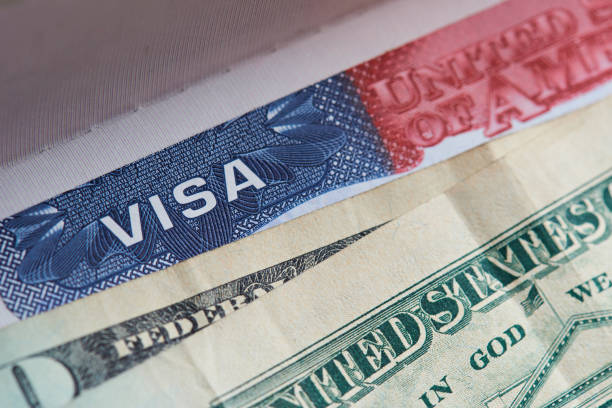
Travelers who plan to visit the United States for a short stay often hear about the Visa Waiver Program, usually called VWP. This program is set up to make trips to the U.S. easier for people from certain countries without needing to go through the full visa process. Instead of waiting weeks for approval, travelers can apply through an online system that checks if they qualify for entry. It is a quicker way to handle short visits, especially for tourism, family trips, or business meetings.
The program is not open to every country, which means only citizens of specific places can make use of it. It also has rules that travelers need to meet before they can be allowed to board a flight. These rules are not only about nationality but also about the type of passport, length of stay, and the purpose of the visit.
For many people, the VWP feels like a doorway to the U.S. that saves time and effort compared to applying for a regular visa. At the same time, it comes with conditions that travelers should be aware of before booking a ticket. Learning about the countries that qualify and the exact requirements makes the process smoother and avoids any surprises at the airport.
What is the US Visa Waiver Program (VWP)?
The US Visa Waiver Program, often shortened as VWP, is a travel arrangement created by the United States government. It allows citizens of certain countries to enter the U.S. for a short visit without going through the full visa application process. Instead of attending an embassy interview and waiting for a visa stamp, travelers can apply online for an authorization called ESTA (Electronic System for Travel Authorization). Once approved, it lets them board a flight or ship to the U.S. with fewer formal steps.
Purpose of the Program
The main idea behind the Visa Waiver Program is to make travel between the United States and trusted countries easier. It is meant for short visits that are strictly for tourism, family visits, or business meetings. For example, someone attending a conference, meeting relatives, or exploring tourist attractions can use this option. It is not designed for people who want to work, study, or live in the U.S.
Length of Stay Allowed
Under the VWP, travelers are allowed to stay in the United States for up to 90 days per visit. This period is fixed and cannot be extended. Once the 90 days are over, travelers must leave the country, even if they still have valid ESTA approval. If they wish to stay longer, they would need to apply for a regular visa through the embassy.
Why the 90-Day Limit Matters
The 90-day cap is set to keep the program focused on short visits. It ensures that the program is used for travel and business visits rather than long-term stays. Travelers who want to stay beyond that time need to apply through the standard visa process before traveling.
Which Countries Are Part of the Visa Waiver Program?
Citizens from about 40-plus nations can now travel to the U.S. for short trips without needing a visa. This makes entering the country for tourism or business much smoother—just apply for an ESTA online instead.
Countries Included
Here are some of the nations whose citizens are eligible:
-
United Kingdom
-
Japan
-
Germany
-
South Korea
-
Australia
These are among the more familiar ones, but the full list also includes Andorra, Austria, Belgium, Brunei, Chile, Croatia, Czech Republic, Denmark, Estonia, Finland, France, Greece, Hungary, Iceland, Ireland, Israel, Italy, Latvia, Liechtenstein, Lithuania, Luxembourg, Malta, Monaco, the Netherlands, New Zealand, Norway, Poland, Portugal, Qatar, San Marino, Singapore, Slovakia, Slovenia, Spain, Sweden, Switzerland, Taiwan, and more.
Recent Additions
There have been a few updates lately. Israel joined the program in October 2023, and Qatar was added in November 202. There was a plan for Romania to join by March 31, 2025, but that was later put on hold pending more review. Eventually, that designation was cancelled in May 2025. More recently, Argentina was set to re-join the program as of late July 2025.
Who is Eligible to Travel Under the Visa Waiver Program?
Not everyone can use the Visa Waiver Program (VWP). Even if you are from a participating country, there are certain rules that must be met before you can board a flight to the United States. These rules mostly center on the type of passport you carry, the purpose of your trip, and how long you plan to stay.
Passport Requirements
Travelers must hold an electronic passport (e-passport) to be eligible. This type of passport has a small embedded chip that stores biometric information, usually a digital photo and other security details. It is easy to spot because there is a small symbol on the cover of the passport showing it contains a chip. Without this kind of passport, even if you are from a Visa Waiver country, you will not be able to travel under the program.
Purpose of Travel
The Visa Waiver Program is designed for short visits only. Travelers may enter the U.S. for:
-
Tourism – such as vacations, visiting family or friends, or sightseeing.
-
Business – including meetings, conferences, or negotiations.
-
Transit – passing through the United States on the way to another country.
It does not allow work, long-term study, or permanent residence. Anyone with those intentions must apply for the correct visa through the U.S. embassy or consulate.
Duration of Stay
Visitors traveling under the VWP can remain in the United States for up to 90 days per trip. This time limit is strict and cannot be extended once inside the country. Travelers must leave on or before the 90th day. If someone wishes to stay longer, they need to apply for a visa outside of the program before traveling.
Why These Rules Exist
These conditions ensure the Visa Waiver Program is used for its real purpose—short, simple visits for tourism or business. The e-passport requirement improves security, while the 90-day stay keeps trips within a set limit. Anyone who does not meet these rules must follow the regular visa application process.
What is ESTA and Why Do You Need It?
Travelers who want to visit the United States under the Visa Waiver Program (VWP) cannot simply show up at the airport with their passport. They must first get approval through an online system called ESTA, which stands for Electronic System for Travel Authorization. ESTA is not a visa, but it works as a pre-approval that shows U.S. authorities you are eligible to board a flight or ship to the country.
What is ESTA?
ESTA is an online application system created by the U.S. Department of Homeland Security. It collects basic details such as personal information, travel plans, and answers to security questions. The system checks your background quickly against databases to see if you qualify for entry under the Visa Waiver Program. Once approved, you receive electronic authorization that is linked directly to your passport.
How ESTA Works for Travelers
When applying, travelers fill out a form online and pay a small processing fee. In most cases, approval comes within minutes, though it can sometimes take up to 72 hours. Airlines also check ESTA approval before letting passengers board. Without a valid ESTA, even if you are from a VWP country, you will not be allowed to travel. It acts as the first filter before you reach U.S. customs.
Validity of ESTA
An approved ESTA is usually valid for two years from the date of approval, or until your passport expires—whichever comes first. During this period, travelers can make multiple trips to the U.S. without reapplying, as long as each visit does not exceed the 90-day limit allowed under the Visa Waiver Program.
Why ESTA is Necessary
The system helps the United States screen travelers before they arrive. It improves security while also making the entry process smoother for visitors. For travelers, ESTA is a simple step that ensures they are cleared to fly. Without it, boarding a plane to the U.S. under the VWP is not possible.
How to Apply for ESTA Authorization
Getting an ESTA is a simple process, but it must be done correctly to avoid delays in your travel plans. The entire application is handled online, and approval is often quick once the form is submitted.
Apply Online Through the Official Website
The first step is to visit the official U.S. ESTA website, which is run by the Department of Homeland Security. Travelers fill out an online form with personal details such as name, passport number, date of birth, and travel information. The form also includes questions about health, past travel history, and security matters. It is important to enter all details exactly as they appear on your passport because any mismatch can cause problems when boarding.
Pay the Application Fee
After completing the form, the system will direct you to make payment. The fee is relatively small and can only be paid online using a debit or credit card. The payment confirms that your application will be processed. Without paying the fee, the application will not move forward.
Wait for Approval
In most cases, approval comes within minutes. However, the system allows up to 72 hours to complete checks. Once approved, your ESTA is electronically linked to your passport, so there is no need to print or carry a paper copy, although many travelers still keep a copy for peace of mind.
Things to Keep in Mind
-
Apply early: Even though approval often happens quickly, it is better to apply at least a few days before your trip in case there are issues.
-
Check passport validity: ESTA approval cannot be used if your passport is close to expiring, since the authorization is tied to that document.
-
Reapply if needed: If your ESTA expires, or if you get a new passport, you must submit a new application.
The ESTA process is straightforward as long as travelers use the official government website, enter accurate information, and complete payment. Once approved, it serves as your travel clearance under the Visa Waiver Program for up to two years or until your passport runs out.
Travel Purposes Allowed Under the Visa Waiver Program
The Visa Waiver Program (VWP) is designed for short visits only. Travelers must have a clear and approved reason for entering the United States under this program. The purposes allowed include business, tourism, medical visits, and certain types of study. Anything outside these reasons, such as working or long-term study, requires a different visa.
Business Meetings or Conferences
Travelers can attend professional meetings, sign contracts, or take part in conferences under the VWP. For example, someone invited to a trade show or a company event can use ESTA approval to attend. The visit must remain within the 90-day limit and should not involve direct employment or payment from a U.S. company.
Tourism and Holidays
Tourism is the most common reason people use the Visa Waiver Program. Visitors can come for vacations, sightseeing, or family visits. This covers trips to national parks, famous attractions, or simply staying with friends and relatives. Short recreational courses, such as cooking or art classes that are taken for fun rather than credits, also fall under this category.
Medical Treatment
The program also allows entry for medical purposes. Travelers may seek care in U.S. hospitals or clinics, provided the treatment is arranged in advance. Applicants may be asked to show proof of financial ability to pay for medical costs and evidence of appointments with a healthcare provider. This ensures the trip is genuinely for treatment and not for long-term care.
Short-Term Study or Training
Short courses that do not give credit toward a degree can be taken under the VWP. Examples include language classes, workshops, or professional training sessions that last a few weeks. These programs must be short and should not replace full-time study. Anyone planning to attend a university or long course must apply for a student visa instead.
Keeping Within the Rules
All of these purposes are valid only for stays that do not exceed 90 days. Travelers who need more time or wish to study or work formally must apply for a different visa type. Staying within the limits ensures smooth travel and avoids issues with future U.S. visits.
Travel Restrictions and Limitations of the VWP
The Visa Waiver Program (VWP) makes visiting the United States easier for short trips, but it comes with strict conditions. Travelers must follow these rules carefully, as breaking them can affect future entry into the U.S.
No Extension Beyond 90 Days
Every visit under the VWP is limited to 90 days or less. This rule is firm, and there is no option to extend the stay while inside the U.S. Even if a traveler faces unexpected events, such as wanting more time with family or attending an extra event, the program does not allow additional days. Those who wish to stay longer must apply for a different visa before their trip. Overstaying even a few days can cause problems when trying to travel again in the future.
Cannot Change to Another Visa While in the U.S.
Another rule is that travelers cannot switch to another type of visa after arriving in the United States through the VWP. For instance, someone who comes for tourism cannot later apply for a student visa or work visa while already in the country. To change the purpose of travel, they must leave the U.S. and apply for the correct visa through a U.S. embassy or consulate abroad. This keeps the program focused only on short-term visits.
Work and Long-Term Study Are Not Allowed
The VWP does not allow travelers to work for a U.S. employer, accept payment, or engage in any form of employment. Similarly, it does not cover long-term study programs. Attending a university, enrolling in a degree course, or joining training that gives academic credit requires the appropriate student visa. Short recreational classes or workshops are allowed, but anything that counts toward a qualification is outside the program’s limits.
Staying Within the Rules
The Visa Waiver Program is designed for convenience, but it must be used as intended. Travelers who overstay, try to work, or attempt to change their status inside the U.S. risk being barred from future entry. Keeping to the 90-day stay and following the approved purposes ensures smooth visits without complications.
Security and Background Requirements
The Visa Waiver Program (VWP) is meant for safe and short-term visits, so travelers must meet certain background and security rules before being allowed to use it. These checks are part of the ESTA application and are taken seriously by U.S. authorities.
No Previous Visa Denials or Immigration Violations
Travelers who have been denied a U.S. visa in the past or who have broken immigration rules are usually not eligible for the VWP. For example, overstaying on a past trip, using the wrong visa category, or being deported can lead to disqualification. In such cases, the person would need to apply for a regular visa through the embassy instead of using ESTA. This helps prevent repeat violations and ensures only travelers with clean records can enter through the program.
Dual Nationality From Restricted Countries
People with dual nationality that includes certain restricted countries may face extra limitations. Even if they hold a passport from a VWP country, having ties to a restricted nation can affect eligibility. This applies to countries that have been flagged due to security concerns or unstable conditions. Travelers in this category may not qualify for ESTA and would have to go through the standard visa process for travel approval.
No Security or Health Risks
Another condition is that travelers must not be seen as a threat to the safety, health, or welfare of the United States. During the ESTA application, travelers answer questions about medical conditions, past criminal records, and other factors. Serious criminal history, contagious diseases, or any record suggesting a risk to public safety can lead to denial. The U.S. government uses these checks to keep the program safe while still welcoming genuine visitors.
Why These Rules Matter
The VWP is based on trust between the United States and participating countries. To keep that trust, only travelers who meet strict background standards are allowed to use it. Anyone who does not meet the conditions still has the option of applying for a visa, where a consular officer will review their case in more detail.
What to Do If You Are Not Eligible for the VWP
Not everyone can travel under the Visa Waiver Program (VWP). If you do not qualify, you still have the option of applying for a regular U.S. visa. This process takes more time than ESTA but is suitable for travelers who plan longer stays or whose circumstances do not meet VWP requirements.
Apply for a B1/B2 Visitor Visa
The most common alternative is the B1/B2 visitor visa. This visa is used for short-term travel but covers a wider range of situations compared to the VWP. The B1 visa is meant for business activities such as meetings, negotiations, or conferences. The B2 visa covers tourism, holidays, visiting family, medical treatment, and other personal reasons. In many cases, both categories are combined into a single B1/B2 visa, giving flexibility for different activities during the same trip.
To apply, travelers must complete the DS-160 form online, pay the visa application fee, and schedule an interview at a U.S. embassy or consulate. During the interview, an officer reviews the purpose of travel, financial stability, and ties to the home country before making a decision.
Situations Where a Regular Visa Is Needed
A standard visa is required in the following cases:
-
Staying longer than 90 days – Anyone who plans to remain in the United States beyond the 90-day limit cannot use the VWP.
-
Work purposes – Employment of any kind, whether temporary or permanent, requires a proper work visa. The VWP does not allow taking paid work in the U.S.
-
Long-term study – Enrolling in a university, college, or any course that gives academic credit requires a student visa, not ESTA.
-
Past visa issues or ineligibility – People who have overstayed in the past, been denied entry, or have other immigration concerns must apply through the regular visa process.
Choosing the Correct Option
The B1/B2 visa gives more flexibility than the Visa Waiver Program, though it requires extra steps. For travelers who do not qualify for ESTA, this is the standard route for entering the United States legally and without problems.