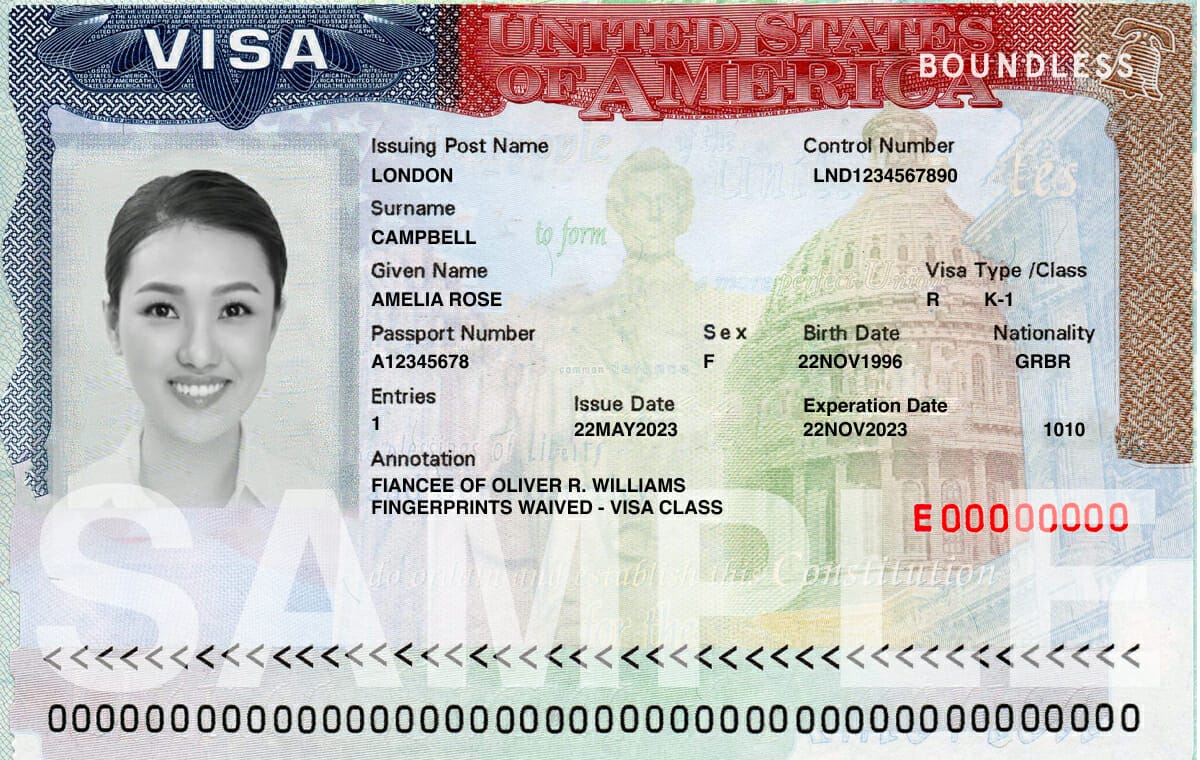
Love across borders often comes with extra steps, and the fiancé visa is one of the most common ways couples bring their relationship to the United States. This visa is meant for couples who are engaged and planning to marry shortly after arriving in the country. It allows the foreign partner to enter legally while giving both people the chance to begin their life together without being separated for long.
The process, however, is not instant. It involves different stages where government officers review forms, background details, and evidence of the relationship. Each stage takes its own share of time, which can stretch out depending on how busy immigration offices are or if more details are requested. This waiting period is often the hardest part for couples who are eager to start their plans in the same place.
Alongside the waiting, there is also paperwork. Immigration officials want to be sure that the relationship is genuine, so they ask for certain documents before approval. These records help prove that the engagement is real and that the couple truly intends to marry. It may feel overwhelming at first, but once the basic requirements are understood, the steps become clearer, and the journey toward living together in the US begins to feel possible.
What is a Fiancé Visa (K-1 Visa)?
The K-1 visa, often called the fiancé visa, is a special type of visa that allows a foreign national to travel to the United States for the purpose of getting married to a U.S. citizen. It is not a permanent visa but a temporary entry permit that opens the door for couples who are engaged and wish to start their married life in America.
Purpose of the K-1 Visa
The main purpose of this visa is to give engaged couples the chance to live in the same country while preparing for their wedding. Instead of being apart during such an important time, the K-1 visa makes it possible for the foreign fiancé to enter the U.S. legally and marry within a set timeframe, usually within 90 days of arrival.
Who Can Apply
This visa is strictly for foreign fiancés of U.S. citizens. It does not apply to green card holders or permanent residents. The couple must prove that their relationship is real and that they have genuine plans to marry. This usually involves sharing evidence such as photos, communication records, or even proof of meeting in person.
From Fiancé Visa to Green Card
Once the marriage takes place, the next step is applying for adjustment of status. This process allows the foreign spouse to move from a temporary status to becoming a permanent resident, also known as a green card holder. Over time, this can lead to U.S. citizenship if the person wishes to apply later.
In simple terms, the fiancé visa acts as a starting point. It gives engaged couples a chance to marry legally in the U.S., stay together, and then build a stable future through permanent residency.
Who Can Apply for a Fiancé Visa?
Not every couple can qualify for a fiancé visa. The U.S. government has set clear requirements for both the U.S. citizen and the foreign fiancé(e) to make sure the relationship is genuine and that marriage is truly the goal. Meeting these requirements is the first step toward approval.
Eligibility Requirements for the U.S. Citizen Petitioner
The person filing for the fiancé visa must be a U.S. citizen. Green card holders cannot sponsor a fiancé under this visa. In addition:
-
Legal Status: The petitioner must show proof of U.S. citizenship through documents like a passport, birth certificate, or naturalization certificate.
-
Marriage Plans: There must be a clear intent to marry the foreign fiancé within 90 days of their arrival in the U.S.
-
Financial Ability: The petitioner should meet minimum income requirements to prove they can support their partner. If income is too low, a joint sponsor may be considered.
Requirements for the Foreign Fiancé(e)
The foreign partner must also meet certain conditions:
-
Legal Right to Marry: They must be legally free to marry, meaning previous marriages (if any) must have ended through divorce, annulment, or death.
-
Medical Examination: A medical exam is required to ensure admissibility to the U.S.
-
No Disqualifying Background Issues: Serious criminal history or past immigration violations could affect eligibility.
Proof of Meeting in Person Within the Past Two Years
One major requirement is proof that the couple has met face-to-face at least once in the two years before filing. This helps show that the relationship is real. Evidence can include:
-
Travel records, boarding passes, or passport stamps
-
Photos together during visits
-
Receipts from hotels, restaurants, or events attended together
In rare situations, exceptions may apply if meeting in person would cause extreme hardship or violate cultural or religious traditions. However, most couples must provide clear proof of spending time together in person.
In short, both the U.S. citizen and the foreign fiancé(e) must show that they are eligible, ready to marry, and have met recently. These requirements are in place to confirm that the relationship is genuine and not just for immigration benefits.
How Long Does Fiancé Visa Processing Take?
The fiancé visa process is not quick, and couples should prepare for several months of waiting. In 2025, the average time for a K-1 visa application to move from start to finish is usually between 12 and 18 months. While some cases are completed a little faster, many take longer depending on where the application is filed and how busy immigration offices are.
Factors That Can Delay Approval
Several issues can slow down the process:
-
USCIS Backlog: The U.S. Citizenship and Immigration Services (USCIS) handles thousands of applications at once. When there is a large volume of cases, the waiting period naturally becomes longer.
-
Incomplete or Incorrect Documents: If forms are missing, unsigned, or contain mistakes, USCIS may issue a Request for Evidence (RFE). This adds weeks or even months to the timeline.
-
Country-Specific Delays: The embassy or consulate in the foreign fiancé’s country may have its own delays due to staff shortages, high demand, or local conditions. This can stretch the time between approval of the petition and the visa interview.
Petition Approval vs. Embassy Interview Scheduling
It’s helpful to understand that there are two main stages in the process:
-
Petition Approval (Form I-129F): The U.S. citizen files this form with USCIS. Getting approval for the petition often takes several months on its own.
-
Embassy or Consulate Interview: After USCIS approval, the case moves to the National Visa Center and then to the U.S. embassy or consulate where the foreign fiancé lives. The embassy schedules the interview, and the timing depends on local workload and availability of interview slots.
These two steps are connected, but the wait times are different. Petition approval is only the first hurdle, and couples must still allow time for embassy scheduling before the actual visa is issued.
In short, fiancé visa processing in 2025 often takes over a year. Delays are common, so couples benefit from submitting accurate paperwork and preparing early for embassy requirements.
Process of Getting a Fiancé Visa
The fiancé visa, also known as the K-1 visa, involves several stages before the foreign fiancé can enter the United States. Each stage must be completed in order, and both partners usually need to provide documents, attend interviews, and follow specific instructions from immigration authorities.
Filing Form I-129F Petition for Alien Fiancé(e)
The first step begins with the U.S. citizen filing Form I-129F. This form is sent to USCIS and includes details about the couple, proof of their relationship, and evidence that they intend to marry within 90 days of the fiancé’s arrival in the U.S. Supporting documents often include photos together, travel history, and proof of communication.
USCIS Review and Approval
Once USCIS receives the petition, it reviews the documents to confirm eligibility. If everything is in order, the petition is approved. If information is missing or unclear, USCIS may send a Request for Evidence, which adds extra time.
National Visa Center (NVC) Forwarding to the Embassy
After USCIS approval, the case is sent to the National Visa Center. The NVC assigns a case number and forwards it to the U.S. embassy or consulate in the fiancé’s country. At this point, the foreign partner will receive instructions on the next steps, including forms and fees that must be completed before scheduling the interview.
Embassy Interview and Medical Examination
The foreign fiancé must attend a medical exam with an approved physician before the interview. The medical report is submitted directly to the embassy. During the interview, a consular officer asks questions about the relationship, reviews documents, and checks for admissibility. If satisfied, the officer approves the visa.
Receiving the Visa and Entering the U.S.
Once approved, the fiancé receives the K-1 visa in their passport. This visa allows entry into the United States for the purpose of marrying the U.S. citizen. The couple must marry within 90 days of arrival, after which the foreign spouse can apply for adjustment of status to become a permanent resident.
This process may feel long, but each stage is designed to ensure the relationship is genuine and that both partners meet all requirements before marriage in the U.S.
Required Documents for the U.S. Citizen Petitioner
For a fiancé visa to be approved, the U.S. citizen must provide specific documents that prove their eligibility and the genuineness of the relationship. These papers help immigration officers confirm that the petitioner is legally able to sponsor a fiancé and that the couple truly plans to marry.
Proof of U.S. Citizenship
The petitioner must show that they are a U.S. citizen, since only citizens can file for a fiancé visa. Acceptable documents include:
-
A valid U.S. passport (copy of the identification page)
-
A birth certificate issued in the United States
-
A certificate of naturalization, if the petitioner became a citizen through naturalization
-
A certificate of citizenship, if citizenship was acquired through parents
Any of these documents can serve as proof, but at least one must be included with the application.
Completed and Signed Form I-129F
Form I-129F, Petition for Alien Fiancé(e), is the official document that starts the process. It must be filled out carefully, signed, and submitted to USCIS. Without this form, no fiancé visa application can move forward. Mistakes or missing signatures can cause long delays, so accuracy is necessary.
Evidence of Meeting in Person Within Two Years
The U.S. government requires proof that the couple has met face-to-face at least once within the last two years before filing. Evidence may include:
-
Copies of flight itineraries or boarding passes
-
Passport stamps from travel
-
Hotel bookings during visits
-
Photos of the couple together during these meetings
Exceptions are very rare and usually apply only for cultural or religious reasons.
Proof of Genuine Relationship
To show that the engagement is real, the petitioner must include evidence of ongoing contact and commitment. Examples include:
-
Photos together over time
-
Screenshots of text messages, emails, or call logs
-
Receipts from shared activities such as dinners, trips, or events
-
Written statements or affidavits describing the relationship
This information assures immigration officers that the relationship is genuine and not for immigration purposes only.
All these documents together form the backbone of the application, showing both eligibility and commitment to marriage. Without them, the case cannot move forward smoothly.
Required Documents for the Foreign Fiancé(e)
Just like the U.S. citizen petitioner, the foreign fiancé(e) must present several documents during the fiancé visa process. These papers are checked at the embassy interview to confirm identity, eligibility, and readiness for marriage in the United States.
Valid Passport
The foreign fiancé(e) must have a valid passport that allows international travel. The passport should remain valid for at least six months beyond the planned entry date into the U.S. Without this, the visa cannot be issued.
Birth Certificate
A birth certificate is needed to confirm the fiancé(e)’s date of birth, place of birth, and parentage. This document must be original or a certified copy. If it is not in English, it should be translated and certified.
Police Clearance Certificate
The fiancé(e) must provide a police clearance certificate from every country they have lived in for six months or more since the age of 16. This document shows whether the applicant has any criminal record. It is used to check admissibility and ensure there are no disqualifying issues.
Medical Examination Report
A medical examination with an embassy-approved doctor is required before the visa can be granted. The exam checks general health and screens for certain conditions. The doctor sends the results directly to the embassy or gives the applicant a sealed envelope to present at the interview.
Affidavit of Support (Form I-134)
Although filed by the U.S. citizen, the Affidavit of Support is submitted as part of the fiancé(e)’s application. This document shows that the petitioner has enough income or resources to support the fiancé(e) upon arrival in the U.S., reducing the risk of public assistance.
Interview Appointment Confirmation Letter
The fiancé(e) must bring the official confirmation of the scheduled visa interview. This letter proves that the embassy appointment has been arranged and allows entry into the interview process.
All these documents must be presented carefully and in the correct format. Missing or incorrect paperwork can delay the visa decision. Together, these records confirm the fiancé(e)’s identity, legal background, health status, and readiness to join their partner in the United States for marriage.
What Happens at the Fiancé Visa Embassy Interview?
The embassy interview is one of the final steps in getting a fiancé visa. It is the stage where a consular officer meets the foreign fiancé(e) face-to-face to check documents, ask questions, and confirm that the relationship is genuine. While it can feel nerve-racking, being prepared helps the process go smoothly.
What to Expect During the Interview
On the day of the interview, the applicant arrives at the U.S. embassy or consulate with all required documents. Security checks are carried out before entry. Once inside, fingerprints are taken, and the applicant waits for their turn with a consular officer. The officer reviews the application, asks questions about the relationship, and checks whether all required documents have been submitted. The whole interview usually lasts around 15 to 30 minutes.
Common Questions Asked by Immigration Officers
The officer’s questions are meant to test whether the relationship is real and whether the couple plans to marry within the 90-day timeframe after arrival in the U.S. Common questions may include:
-
How and when did you meet your fiancé?
-
How often do you communicate and through what means?
-
What do you know about your fiancé’s family, work, or daily life?
-
What are your wedding plans?
-
Have you met each other’s relatives?
These questions are usually straightforward and based on the details provided in the petition. Honest and consistent answers are very important.
How to Prepare and Bring Supporting Documents
Preparation is mostly about organizing paperwork and being ready to explain the relationship clearly. The applicant should bring:
-
A valid passport
-
Birth certificate and police clearance certificates
-
Medical exam results (if given to the applicant)
-
Photos with the U.S. citizen fiancé
-
Evidence of communication such as call logs, emails, or chat records
-
Proof of wedding plans, if available
It helps to place documents in order so they are easy to hand over when requested. Dressing neatly and staying calm during the interview also leaves a positive impression.
The embassy interview is the final check before visa approval. With honest answers and the right documents, it is often a smooth process that brings couples closer to starting their life together in the United States.
How Much Does the Fiancé Visa Cost?
Getting a fiancé visa comes with several costs at different stages of the process. These fees cover government processing, medical checks, and sometimes extra services needed along the way. Both the U.S. citizen petitioner and the foreign fiancé(e) should be ready to handle these expenses.
USCIS Filing Fee for Form I-129F
The first cost is the filing fee for Form I-129F, which the U.S. citizen must pay when sending the petition to USCIS. This fee is non-refundable, even if the petition is denied. The payment can usually be made by check, money order, or online depending on how the form is filed.
Embassy Interview Fee
Once the petition is approved and the case moves to the embassy stage, the foreign fiancé(e) must pay the visa application fee before attending the interview. This fee is paid directly to the U.S. embassy or consulate, often through a bank or online payment system. Proof of payment is required at the interview.
Medical Examination Fee
Before the interview, the foreign fiancé(e) must complete a medical exam with an embassy-approved doctor. The fee for this exam varies by country and by the doctor’s office. It usually includes the cost of vaccinations if required. Since this payment is made directly to the medical provider, the amount differs from place to place.
Other Possible Costs
In addition to the main fees, couples should also expect smaller expenses that may add up:
-
Translations: Any document not in English must be translated by a certified translator, which often comes with a charge.
-
Courier Fees: Some embassies use courier services to return passports and visa packets after approval. The applicant may have to pay for this service.
-
Travel Costs: If the fiancé(e) lives far from the embassy or the doctor’s office, transportation and accommodation expenses might be needed.
The total cost of the fiancé visa process can vary depending on the country and individual circumstances. While the main fees are fixed by USCIS and the State Department, the extra expenses depend on personal situations. Being prepared for all possible costs helps reduce stress during the process and avoids delays.
What Happens After Entering the U.S. on a Fiancé Visa?
Arriving in the United States with a fiancé visa is exciting, but there are strict rules to follow once the foreign fiancé(e) steps into the country. The visa is only temporary and comes with conditions that must be met for the couple to continue their life together legally.
The 90-Day Period to Get Married
The fiancé visa requires the couple to marry within 90 days of the foreign partner’s arrival. This time limit is firm. If the marriage does not take place within this period, the fiancé(e) must leave the United States, or they risk being out of status. Because of this, couples usually plan their wedding arrangements before entry, even if the actual ceremony is small.
Applying for Adjustment of Status After Marriage
Once the marriage is completed, the next step is applying for Adjustment of Status. This process allows the foreign spouse to move from temporary visa status to becoming a permanent resident, also called getting a green card. The application includes forms, fees, medical checks, and another review by U.S. Citizenship and Immigration Services (USCIS). After approval, the spouse receives a green card, which gives permission to live and work in the U.S. permanently.
Restrictions on Travel and Work Before Work Authorization
Before receiving work authorization or a green card, the foreign spouse cannot legally work in the U.S. To get permission, they must file for an Employment Authorization Document (EAD) after submitting the Adjustment of Status application. Until this is approved, working is not allowed.
Travel outside the U.S. is also restricted during this time. Leaving the country before receiving advance parole or a green card can cause the visa to be considered abandoned. That means the fiancé(e) might not be allowed to return without starting the process over.
In short, arriving in the U.S. with a fiancé visa is just the beginning. Marriage within 90 days, followed by applying for permanent residency, are necessary steps to secure a future together. Until work and travel permissions are granted, the foreign spouse must stay within the rules to avoid complications.