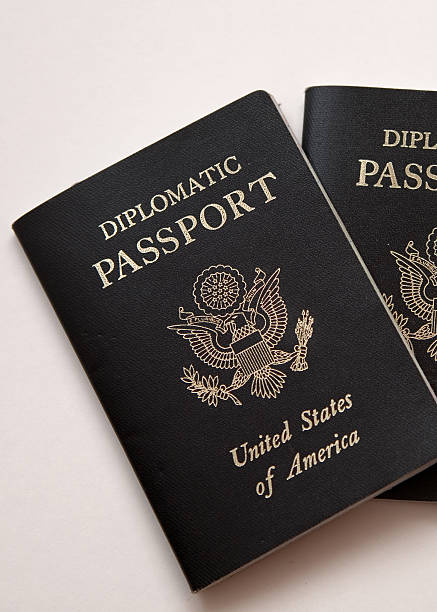
Diplomatic visas are a special type of travel document designed for government officials, embassy staff, and others who represent their country abroad. Unlike regular visas, this category is tied directly to official duties and responsibilities, which makes the process slightly different and often more formal. The focus is not on tourism or work in the private sector but on official assignments, meetings, or diplomatic service in another nation.
Government representatives who travel under diplomatic status usually go through a visa process that reflects the relationship between the sending and receiving countries. Because of this, there is often extra attention to detail and more structured communication between ministries, embassies, and consulates. This ensures that officials are properly recognized in their role and are able to carry out their duties without unnecessary delays.
For embassy staff, the application procedure is also tied to the official recognition they receive in their host country. The process can involve additional documents, formal letters, and proof of position, since the visa is directly linked to diplomatic service. Each step is carefully arranged to respect international agreements and to maintain smooth relations between governments.
This type of visa application is more than a routine request; it represents a formal acknowledgment of status and responsibility in the international space.
What is a Diplomatic Visa?
A diplomatic visa is a special type of visa given to people who represent their country in another nation for official duties. It is not the same as a tourist or work visa. Instead, it is tied directly to government service and international relations. This visa makes it possible for officials to travel, work, and live abroad while carrying out their assignments without being treated like ordinary travelers.
Meaning of a Diplomatic Visa
In simple terms, a diplomatic visa is a document placed in a passport that shows the person is traveling on government business. It also gives the holder certain rights and recognition in the host country. These rights can include smoother entry at airports, reduced checks, or special permissions connected to their official position. It is granted based on agreements between the two countries involved, and it is always linked to official duties rather than personal trips.
Who Qualifies for a Diplomatic Visa?
Not everyone can apply for this type of visa. It is reserved for specific groups:
-
Government officials: Ministers, commissioners, or senior officers traveling to represent their country.
-
Diplomats: Ambassadors, consuls, and other representatives working in embassies or consulates.
-
Embassy staff: Workers assigned to support diplomatic offices abroad, such as administrative or technical staff.
-
Immediate family members: Spouses and children of diplomats or officials who are moving with them to their new posting.
This visa is always tied to official responsibilities. It is issued with the understanding that the holder is acting as a representative of their home country. Family members may also receive it, but only if they are accompanying or living with the official during the assignment.
Who Can Apply for a Diplomatic Visa?
A diplomatic visa is not open to the general public. It is a special travel document made for a small group of people who act on behalf of their home country. This means only those on official government duty or directly linked to diplomatic service are eligible.
Categories of Eligible Applicants
The people who can apply for this type of visa usually fall into these groups:
-
Diplomats: Ambassadors, high commissioners, consuls, and other officials representing their nation abroad. They are the main holders of diplomatic visas since they are directly involved in state-to-state communication.
-
Government officials: Senior government representatives such as ministers, commissioners, or members of parliament who are traveling to another country for meetings, conferences, or assignments connected to their office.
-
Embassy and consular staff: Workers who support the activities of diplomatic missions, including administrative, technical, and service staff.
-
Immediate family members: Spouses and children of diplomats or officials can also be issued diplomatic visas so they can live with the official during their posting.
Difference Between Diplomatic, Official, and Ordinary Visas
It is useful to separate diplomatic visas from other common types of visas.
-
Diplomatic visa: Issued to diplomats, senior officials, and their families. It gives recognition of their official position and sometimes provides certain privileges under international agreements.
-
Official visa: This is also known in some countries as a service visa. It is given to government workers who are traveling abroad for official duties but are not classified as diplomats. For example, a junior ministry staff member attending training or a technical officer assigned to a project abroad may receive this.
-
Ordinary visa: This is the regular visa issued to the general public for purposes such as tourism, study, business, or work. It does not grant any special rights or recognition beyond what is normally given to travelers.
In short, only people who represent their country in an official capacity or those directly attached to them can apply for a diplomatic visa. Ordinary citizens cannot request this type of visa unless they are part of an official government mission.
Why is a Diplomatic Visa Needed?
A diplomatic visa serves a very specific purpose. It is not for tourism or private work. Instead, it is issued to support official government duties abroad. Countries create this type of visa to make it easier for representatives of other nations to travel for assignments, meetings, and service in embassies or consulates. Without it, diplomats and government officials would face the same process as ordinary travelers, which could slow down international work.
Purpose of Travel
The main reason a diplomatic visa is needed is to allow smooth movement for government business. This can cover different kinds of travel, such as:
-
Official government business: Diplomats or ministers may be required to attend meetings with foreign leaders, sign agreements, or discuss policies on behalf of their country.
-
Assignments abroad: Government officials and embassy staff may be posted to another country for a period of time to manage diplomatic offices or handle specific projects.
-
International conferences: Representatives may travel to attend events hosted by global organizations, where matters affecting several nations are discussed.
-
Negotiations and peace talks: Diplomats are often called to participate in discussions about security, trade, or cooperation, which require official recognition in the host country.
Special Privileges Compared to Regular Visas
A diplomatic visa comes with certain privileges that are not available to holders of regular visas. These are designed to respect international agreements and make official work easier.
-
Faster processing and entry: Diplomats are often given priority during visa approval and at border entry points.
-
Exemptions: In many cases, they are not charged standard visa fees or certain local taxes.
-
Freedom of duty: Holders are recognized as representatives of their home country, which gives them the ability to carry out official tasks without unnecessary interference.
-
Family benefits: Spouses and children traveling with the official may also be granted diplomatic visas, allowing the family to live together during the posting.
-
Special treatment in host country: In some cases, diplomatic visa holders may receive assistance such as special queues at airports or help from local authorities.
These privileges ensure that officials can focus on their assignments while maintaining smooth relations between the countries involved.
Where to Apply for a Diplomatic Visa
The process for getting a diplomatic visa is not the same as applying for a regular visa. Since it is tied to government service, the application must follow official channels. The steps are usually managed by the sending country’s Ministry of Foreign Affairs in close contact with the embassy or consulate of the country that will host the diplomat or government official.
Application Through the Embassy or Consulate of the Host Country
The first step often begins at the embassy or consulate of the host nation. This is where the visa request is lodged. However, the applicant does not usually walk in directly to submit papers like a tourist or student would. Instead, the sending government prepares an official note, known as a diplomatic note, which confirms the identity of the traveler, their position, and the purpose of travel. This note is sent to the embassy or consulate of the host country.
The embassy or consulate then processes the request, checks the documents, and issues the visa. In some cases, especially for longer postings, the visa is granted before the official even arrives in the country, so that entry and accreditation can be smooth.
Role of the Ministry of Foreign Affairs in the Process
The Ministry of Foreign Affairs (MFA) in the sending country plays a central part in the process. It is responsible for preparing the diplomatic note, gathering the required documents, and making sure that the request is sent through the correct channel. The MFA also ensures that the person applying qualifies for a diplomatic visa based on their posting or assignment.
On the receiving side, the Ministry of Foreign Affairs of the host country may also review the application before approval. In many nations, the MFA gives the final clearance before a diplomatic visa is issued. This back-and-forth communication between the two ministries is what makes the process different from ordinary visa applications.
In short, the embassy or consulate issues the visa, but the Ministry of Foreign Affairs on both sides ensures the process is official and that the applicant is recognized as a government representative. This system helps maintain smooth relations between countries while giving diplomats and officials the recognition they need to carry out their assignments.
Required Documents for Diplomatic Visa Application
Applying for a diplomatic visa involves more formal paperwork than ordinary visa applications. Since it is directly connected to government service, each document submitted must confirm the identity of the applicant, their assignment, and the approval of their home country. Below are the main documents usually required.
Valid Diplomatic Passport
A diplomatic passport is the first and most important document. Without it, an application cannot be processed. This passport is different from a regular one because it is issued only to government officials, diplomats, and staff traveling on official duties. It confirms that the applicant is not traveling as a private citizen but as a government representative.
Official Letter (Note Verbale) from the Applicant’s Government
Along with the passport, the applicant’s government must issue an official letter known as a note verbale. This document is usually sent by the Ministry of Foreign Affairs. It introduces the applicant, states their position, explains the reason for travel, and formally requests the host country to issue a diplomatic visa. This note is an essential part of the process because it confirms the official nature of the trip.
Completed Visa Application Form
Most host countries also require a visa application form to be filled out. The form usually asks for personal details, passport information, travel dates, and assignment details. While the government handles much of the process, the form ensures that the embassy or consulate has a record of the applicant in their system.
Recent Passport-Size Photographs
The application normally includes a set of recent passport-size photographs. These photos must meet standard requirements, such as showing the face clearly against a plain background. They are attached to the application form and used on the visa sticker once approved.
Travel Itinerary and Assignment Details
Some countries request additional information about the applicant’s travel plans and assignment. This can include flight bookings, accommodation details, or a description of the posting abroad. These details help the host country confirm the purpose and expected length of stay.
Together, these documents form the complete diplomatic visa request. Each one is necessary to confirm the official status of the traveler and to ensure that the visa is granted smoothly without delays.
How Does the Diplomatic Visa Application Work?
Applying for a diplomatic visa is not the same as filling out forms for a tourist or student visa. It goes through official government channels, and every step is designed to confirm the applicant’s position and assignment abroad. Below is a simple breakdown of how the process usually works.
Submission of Application Through Diplomatic Channels
The application begins in the applicant’s home country. Instead of submitting documents directly to the embassy like ordinary travelers, the request is sent through diplomatic channels. This usually means the Ministry of Foreign Affairs prepares a note verbale and attaches it to the applicant’s documents, including the diplomatic passport, visa form, and photographs. The full package is then forwarded to the embassy or consulate of the host country.
This method ensures that the host country receives the request through an official line of communication and can recognize the traveler as a government representative.
Review by the Host Country’s Ministry of Foreign Affairs
Once the embassy or consulate of the host country receives the application, it does not always approve it immediately. In many cases, the documents are passed to the Ministry of Foreign Affairs of the host nation for review. The ministry checks the information, confirms the assignment, and may seek clarification if needed. This step acts as a safeguard, making sure only genuine officials are issued diplomatic visas.
Processing Time and Possible Interviews
The time it takes to process a diplomatic visa can vary. In some cases, approval may come quickly, especially if there is an existing agreement between the two countries. However, for longer postings or sensitive assignments, the review may take more time.
Interviews are not always part of the process, but they can happen if the host country needs to confirm details about the assignment or the applicant’s status. If required, the embassy or consulate will invite the applicant for a short meeting to verify information.
Closing Note on the Process
Overall, the application moves through formal channels: first the sending country’s Ministry of Foreign Affairs, then the embassy or consulate, and finally the host country’s authorities. This structured process ensures that the visa is issued only to recognized officials and that diplomatic travel remains smooth and secure.
Fees and Processing Time for Diplomatic Visas
Diplomatic visas are different from ordinary visas not just in who can apply but also in how fees and processing times are handled. Since they are tied to government service, the rules are often more flexible, with special arrangements made between countries.
Whether Fees Are Waived or Reduced for Diplomats
In many cases, diplomatic visas are issued without any charge. This fee waiver is a common practice worldwide as a sign of respect between governments. It helps maintain smooth relations and ensures that officials can carry out their duties without unnecessary financial barriers.
However, the exact rule depends on the agreement between the two countries. Some nations may still require a small administrative fee, while others completely remove all charges for diplomats, embassy staff, and their family members. The sending government usually confirms this in advance so the applicant knows what to expect.
Usual Processing Timeframe
Processing times for diplomatic visas are generally shorter than for regular visas. Since these visas are linked to official duties, they are often treated with priority. In many cases, approval can take just a few days to two weeks. For long-term postings, where the official is being stationed abroad, the process may take a little longer to allow for proper checks by the host country’s Ministry of Foreign Affairs.
Factors That Can Delay Approval
Even though diplomats usually enjoy faster processing, delays can still occur. Common reasons include:
-
Incomplete paperwork: Missing documents, such as a note verbale or assignment details, can cause the embassy to return the application.
-
Verification checks: If the host country needs more time to confirm the applicant’s status or assignment, approval may be held up.
-
International events or tensions: During sensitive periods, such as strained relations between countries, visa approvals may take longer.
-
High workload at the embassy: If the embassy or consulate is handling a large number of diplomatic requests at once, processing may slow down.
Closing Thought on Fees and Timing
In most situations, diplomats benefit from reduced or waived fees and shorter waiting times. Still, the exact outcome depends on the relationship between the two countries and how quickly documents are submitted through the proper channels.
Rights and Privileges of Diplomatic Visa Holders
Diplomatic visas come with certain rights and benefits that are not available to ordinary travelers. These privileges are based on international agreements, mainly the Vienna Convention on Diplomatic Relations, and they are designed to allow diplomats and government officials to perform their duties effectively while in a foreign country.
Immunities and Exemptions
Diplomatic visa holders may receive several immunities that protect them while serving abroad. These can include:
-
Protection from arrest or detention: Diplomats are generally not subject to arrest under the host country’s laws, except in rare and serious cases. This ensures they can perform their duties without interference.
-
Exemption from taxes: In many countries, diplomats do not have to pay certain local taxes. For example, they may be excused from income tax on their official salary or from property tax on their embassy residence.
-
Customs privileges: When entering the host country, diplomats may be allowed to bring in personal belongings and official materials without paying customs duties. This makes moving and setting up easier.
These privileges are not meant for personal gain but to support their official responsibilities.
Access to Official Meetings and Diplomatic Facilities
A diplomatic visa also grants access to certain facilities that ordinary travelers cannot use. Diplomats are able to attend high-level meetings, international conferences, and state functions. They also have access to their embassy or consulate’s secure facilities, which act as their official base of work in the host country. These facilities are usually protected from local interference, allowing diplomats to carry out duties freely.
Travel and Work Limitations
While diplomatic visas provide many benefits, they also come with limitations. Holders are generally restricted to official duties and may not take up private jobs or business in the host country. Their stay is tied to the length of their posting, meaning the visa usually ends when their assignment is over. In some countries, diplomats must also notify the Ministry of Foreign Affairs before traveling outside the capital city, especially for official visits to other regions.
Closing Note on Privileges
Overall, diplomatic visas provide protections, exemptions, and access that make official service abroad possible. At the same time, they are carefully structured to ensure that the privileges are used for government duties, not for personal advantage.
Responsibilities and Restrictions of Diplomatic Visa Holders
A diplomatic visa gives special rights to government officials and embassy staff, but it also comes with clear responsibilities. Holders are expected to use the visa strictly for official service and to respect the rules of the host country. These responsibilities make sure that the privileges are not abused and that relations between both countries remain smooth.
Must Use Visa Strictly for Official Duties
The most important responsibility is to use the visa only for official purposes. A diplomatic visa is issued for government assignments, not for tourism, private business, or other unrelated activities. For example, an ambassador or embassy worker must use the visa for attending meetings, carrying out negotiations, or working at the mission—not for running a private venture. If the visa is used outside these boundaries, it may be withdrawn.
Not Allowed to Engage in Private Employment
Diplomatic visa holders are not permitted to take up private jobs in the host country. Their status is tied to their government posting, which means they cannot legally work for local businesses, run personal enterprises, or accept other forms of employment. This restriction ensures that the privileges given to them are not used for personal profit. Family members who travel with them may also face the same limits, unless there is a special agreement that allows spouses to work in certain roles.
Must Respect the Host Country’s Laws
Even though diplomats enjoy immunities such as exemption from arrest or certain taxes, they are still expected to respect the laws and regulations of the host country. For example, they must follow traffic rules, respect property laws, and act in a way that does not disturb public order. Immunity does not mean complete freedom; instead, it is a protection for official duties. Misuse of diplomatic status can lead to warnings, restrictions, or even being asked to leave the country.
Closing Note on Responsibilities
Diplomatic visas provide special benefits, but they also demand discipline. Holders are required to focus on their official assignments, avoid private employment, and respect the laws of the country where they are serving. These responsibilities help maintain trust and cooperation between nations while ensuring that the privileges of diplomatic service are not misused.