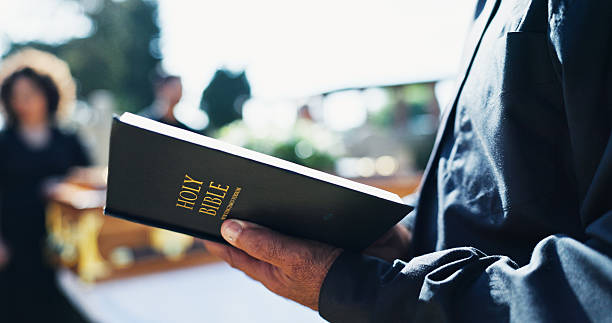
Religious work in a new country can be exciting, but it comes with a lot of rules and paperwork. Moving to serve in a ministry or faith-based role isn’t as simple as packing a bag and showing up. Governments have specific expectations for people who want to live and work in their country for religious purposes, and these rules affect how long you can stay, the kind of work you can do, and the documentation you need to provide.
Visa officers want to see proof of your connection to a recognized religious organization and evidence that your role is legitimate. Paperwork can include letters from your church or religious group, personal records, and statements showing the purpose of your work. Even small details can make a difference, like how your experience matches the role you are applying for.
Moving without proper preparation can lead to delays, rejections, or limitations on what you are allowed to do once you arrive. While the process can seem overwhelming at first, understanding what the authorities look for and how your role fits into the bigger picture of ministry work helps you feel more confident. Each step of the application matters, and careful attention to your documents can make the difference in getting approval to live and work abroad in a religious position.
What is a Religious Worker Visa?
A Religious Worker Visa is a type of visa that lets people move to another country to work for a religious organization. It is designed for individuals who want to serve in ministries, churches, mosques, temples, or other faith-based groups. The visa provides legal permission to live in the country while doing religious work, and it ensures the government knows the person has a legitimate purpose for staying.
About the Visa Type
In the United States, the most common type of religious worker visa is the R-1 visa. This visa is meant for foreign nationals who are coming to the US to work temporarily in a religious capacity. It is not for permanent residence, but it allows someone to stay in the country for a few years while contributing to their religious organization. The R-1 visa can be extended, but applicants must continue to meet the requirements throughout their stay.
The visa is for people who have been members of a religious group for at least two years and who are either ministers, people working in a professional religious capacity, or individuals performing other religious work. This ensures that the person has experience and a connection to the faith organization they plan to serve.
Purpose
The purpose of the Religious Worker Visa is to allow foreign nationals to work for recognized religious organizations without running into legal problems with immigration. It supports the movement of people who dedicate their time to faith-based activities, including leading services, teaching religious classes, or helping in religious programs. The visa also ensures the government has a clear record of who is entering the country for religious work and prevents misuse of immigration rules.
With this visa, religious organizations can bring in individuals from other countries to support their operations, and workers can legally carry out their spiritual duties while staying in a foreign country.
Who Qualifies for a Religious Worker Visa?
A Religious Worker Visa is not open to just anyone. There are certain rules and conditions that an applicant must meet to be considered. The visa is meant for people who have a genuine connection to a recognized religious group and who are coming to work in a religious capacity for a nonprofit organization.
Requirements for the Applicant
Applicants must have been members of a recognized religious denomination for at least two years before applying. This shows that the person has experience and a stable connection to their faith community. Experience in religious work is also necessary. This could include serving as a minister, leading religious services, teaching religious classes, or performing other duties that support the organization’s spiritual mission.
Eligibility for Ministers, Religious Instructors, and Other Positions
There are different types of religious work that qualify for the visa. Ministers, who lead worship services and provide spiritual guidance, are often the most common applicants. Religious instructors, who teach classes or provide religious education, are also eligible. In addition, people who perform other religious duties, such as assisting in community programs, preparing materials for services, or supporting charitable projects organized by the religious group, can qualify if their work is full-time and directly connected to the organization’s spiritual activities.
It’s not enough to simply be affiliated with a religious group or volunteer occasionally. Applicants must be coming to work in a full-time capacity for the organization. This ensures the government recognizes the person as contributing to the religious mission rather than entering the country for unrelated purposes.
Requirement of a Non-Profit Religious Organization
The visa only applies if the organization is non-profit. The organization must be officially recognized as a religious group and should not operate primarily to make money. Churches, mosques, temples, and similar organizations that provide religious services and programs for their community typically meet this requirement. Government agencies or for-profit companies do not qualify, even if they have religious connections.
Meeting these qualifications helps applicants show immigration authorities that they are coming to the country with a clear and legitimate purpose. It ensures both the worker and the organization are in compliance with immigration laws while contributing to the religious community.
Types of Religious Worker Visas
Religious Worker Visas are generally divided into two main types, depending on the kind of work the applicant will do. The distinction helps immigration authorities understand the nature of the work and the qualifications of the applicant.
Minister Visa
The Minister Visa is for ordained ministers or individuals officially recognized by their religious organization to lead services and provide spiritual guidance. Ministers usually conduct worship, perform ceremonies, and offer counseling to members of their congregation.
Applicants for this type of visa must have formal recognition as a minister, often including documentation from their church or religious group confirming their status. Experience in leading religious activities is also expected, and applicants typically need to have been members of their denomination for at least two years.
The Minister Visa usually allows a longer initial stay compared to other religious worker visas. In the United States, for example, the R-1 visa for ministers can be granted for up to three years initially, with the possibility of extension, provided the applicant continues to meet the requirements.
Non-Minister Visa
The Non-Minister Visa is designed for other religious workers who support the ministry but are not ordained ministers. This can include religious instructors, teachers of religious education, and support staff who help with community programs, administration, or preparation for services.
Applicants for a Non-Minister Visa must show that their work is full-time and directly related to the religious organization’s activities. They also need to have at least two years of membership with their religious denomination.
The Non-Minister Visa usually has a slightly shorter duration than the Minister Visa. For example, in the US, initial approval may also be up to three years, but extensions can be limited depending on the type of work and documentation provided.
Differences Between the Two Types
The main differences between Minister and Non-Minister Visas are the type of work and documentation required. Ministers must prove ordination and leadership experience, while non-ministers must show that their work supports the organization’s mission and is full-time. The duration of stay may also vary slightly, with ministers sometimes receiving more flexibility for extensions.
Both visa types require a clear connection to a recognized non-profit religious organization, ensuring that the applicant’s purpose aligns with the organization’s spiritual mission.
Minimum Requirements for Applicants
Not everyone can apply for a Religious Worker Visa. There are certain basic requirements that applicants must meet to show they are eligible and serious about working in a religious capacity.
Experience
Applicants usually need at least two years of experience in a religious position before applying. This experience can come from serving as a minister, religious instructor, or other positions that support the activities of a religious organization. The idea is to show that the applicant has been actively involved in their faith community and has hands-on knowledge of religious work. Letters from the organization where the applicant has served often provide proof of experience, outlining duties and responsibilities. This helps immigration authorities confirm that the applicant is qualified for the position they plan to take up.
Education
In some cases, education or formal training is expected. A theological degree or certificate in religious studies may be required for certain positions, especially for ministers or instructors. While not every religious worker must have formal schooling, having relevant education can strengthen the application and show that the applicant is prepared for the responsibilities of the position. It also demonstrates a deeper understanding of the faith and the ability to teach or lead others in religious matters.
Intent
Genuine commitment to a religious vocation is another requirement. Immigration authorities need to see that the applicant is coming to serve the religious organization sincerely and not for reasons unrelated to faith work. This includes showing a long-term connection to their denomination, letters of support from church leaders, or evidence of past contributions to religious activities. Proof of intent helps distinguish serious applicants from those who might misuse the visa for other purposes.
Meeting these minimum requirements ensures that applicants are eligible for consideration and demonstrates to authorities that they have the experience, training, and dedication necessary to work legally in a religious organization. Each of these elements experience, education, and intent supports the goal of bringing skilled and committed religious workers into the country while maintaining the integrity of the visa process.
Required Documents for Application
Applying for a Religious Worker Visa involves submitting several documents that show eligibility and the purpose of the visit. Providing complete and accurate paperwork makes the process smoother and helps immigration authorities understand the applicant’s connection to the religious organization.
Passport and Identification
A valid passport is the first and most basic requirement. It must be current and have enough time before expiration to cover the planned stay. Identification pages should be clear and readable. This proves the applicant’s identity and citizenship, which is necessary for any visa application.
Proof of Membership in Religious Denomination
Applicants must show that they have been part of a recognized religious group for a minimum period, usually at least two years. Letters from church leaders, certificates of membership, or other documents confirming affiliation help demonstrate this connection. This proof shows that the applicant is genuinely involved in their faith community.
Employment Offer or Invitation Letter
A formal letter from the religious organization that will host the applicant is required. This could be an employment offer, an invitation to serve, or a confirmation of assignment within the organization. The letter should explain the type of work, the expected duration, and confirm that the organization is non-profit. This document shows that the applicant has a clear and legitimate purpose for coming to the country.
Proof of Experience and Training
Applicants must provide evidence of previous religious work. This can include letters from previous religious organizations, records of duties performed, or certificates from formal training programs. If the applicant has completed theological studies or other relevant education, including these documents strengthens the application and shows readiness for the responsibilities of the position.
Completed Visa Forms
Specific visa forms must be filled out accurately. For example, in the US, Form I-129 is required for R-1 visa applicants. The forms collect information about the applicant, the sponsoring organization, and the planned activities. Accurate completion ensures the application can be processed without delays or rejections.
Submitting all these documents together ensures that immigration authorities have a full picture of the applicant’s qualifications, intent, and connection to the religious organization. Proper documentation helps demonstrate that the person meets all requirements for the visa and is coming for legitimate religious work.
Sponsoring Organization Requirements
The organization that sponsors a religious worker has to meet certain rules to qualify. These requirements ensure that the applicant is joining a legitimate and recognized religious group and that the organization can properly support them during their stay.
Non-Profit Religious Organization
The sponsoring organization must be a non-profit religious group. This includes churches, mosques, temples, and other faith-based organizations that serve their communities without the main goal of making money. The non-profit status is essential because the visa is intended for genuine religious work, not for commercial purposes. Government agencies or for-profit companies do not qualify, even if they are connected to religion in some way.
Proof of Tax-Exempt Status and Ability to Employ
The organization must provide evidence that it is officially recognized as tax-exempt under local laws. This may include documents issued by tax authorities or certificates of non-profit registration. Proof of financial ability to employ the applicant is also necessary. Immigration authorities need to see that the organization can support the applicant’s work and provide the conditions needed for them to live and work legally. This helps prevent situations where workers arrive without proper backing or resources.
Documentation of Religious Program and Duties
The organization must explain the religious activities and programs that the applicant will be part of. This includes detailing the duties they will perform, whether it is leading services, teaching classes, assisting in community outreach, or supporting other programs. Providing clear documentation of the position and the purpose of the work demonstrates that the applicant is coming for legitimate religious purposes. Letters describing the ministry, schedule of activities, or outlines of teaching programs can all be included to support the application.
Meeting these requirements ensures that both the applicant and the sponsoring organization are in compliance with immigration laws. Clear documentation from the organization gives immigration authorities confidence that the work is genuine and that the applicant will be joining a recognized, financially stable, and well-structured religious group. This forms a foundation for a smoother visa application process and helps the worker legally carry out their duties in the new country.
Visa Duration and Extensions
A Religious Worker Visa allows foreign nationals to live and work in a country for a limited time. Understanding the rules about how long the visa lasts and how it can be extended helps applicants plan their stay and avoid legal issues.
Initial Period
The initial period for a Religious Worker Visa is usually up to 30 months, or about two and a half years. This period gives the applicant enough time to perform their duties with the religious organization. The start date is generally set when the visa is approved and may coincide with the beginning of the assignment or employment. Applicants should make sure their travel and work plans match the approved period to stay in compliance with immigration laws.
Options for Extension
Extensions are available for those who need more time to continue their religious work. Many countries allow the visa to be extended for additional periods, often in one-year increments. However, there is a maximum total stay, which in the United States, for example, is five years. To apply for an extension, the applicant or the sponsoring organization must submit updated forms and documents showing that the applicant continues to meet all requirements. This includes proving ongoing work with the organization, maintaining membership in the religious denomination, and providing letters from the organization confirming the continued assignment.
Changing Status or Transferring to Another Organization
Applicants sometimes need to change their visa status or transfer to a different religious organization. Changing status may involve moving from a temporary religious worker visa to another type of visa if the applicant plans to stay longer or take on a different type of work. Transferring to another organization usually requires approval from immigration authorities. The new organization must meet all the requirements for sponsoring a religious worker, including being a non-profit and providing documentation of duties. The process generally involves submitting new forms and supporting documents to show that the change is legitimate and that the applicant will continue working in a religious capacity.
Understanding the rules about duration, extensions, and transfers helps applicants and organizations stay compliant with immigration laws. Proper planning and timely submissions can prevent interruptions in the applicant’s stay and ensure a smooth continuation of religious work in the country.
Moving from a Religious Worker Visa to Permanent Residency
Religious workers on a temporary visa can sometimes become permanent residents in the country. This process allows individuals to live and work indefinitely while continuing their service with a recognized religious organization.
Eligibility for a Green Card
To apply for a green card as a religious worker, the applicant must have been working in a religious capacity on a valid temporary visa, such as the R-1 in the United States. The work must be full-time, and the applicant should have maintained membership in their religious denomination for the required period, usually at least two years. Sponsorship by a non-profit religious organization is necessary, and the organization must confirm the applicant’s long-term plans to continue serving in the ministry.
Steps to Transition from Temporary Visa to Permanent Residency
The process generally begins with the religious organization filing a petition on behalf of the applicant. This petition demonstrates the organization’s intent to employ the applicant long-term and confirms that the applicant meets all eligibility requirements. Once approved, the applicant can submit the application for permanent residency, which may involve background checks, interviews, and submission of supporting documents such as proof of ongoing religious work, letters from church leaders, and evidence of full-time employment.
Requirements for Long-Term Employment in the Ministry
To qualify for permanent residency, applicants must show that their work is continuous and aligns with the organization’s religious mission. The sponsoring organization must continue to operate as a non-profit and provide stable employment. Documentation confirming duties, schedules, and the nature of the religious work is often required. Applicants should also demonstrate a genuine commitment to serving in their ministry, including past experience and contributions to the organization.
Maintaining a good record while on a temporary visa, providing accurate documentation, and having the support of the sponsoring organization are all essential for a smooth transition to permanent residency. This process allows religious workers to continue their service without interruption and to make long-term plans within their faith community.
Common Challenges and How to Avoid Them
Applying for a Religious Worker Visa can be straightforward, but there are common issues that often cause delays or denials. Being aware of these challenges and taking steps to prevent them can help applicants stay on track.
Incomplete Documentation
One of the most frequent problems is submitting incomplete or unclear documents. Missing letters from the religious organization, proof of membership, or records of previous experience can lead to the application being rejected. To avoid this, applicants should carefully review all requirements before submitting. Collecting letters that clearly outline duties, duration of membership, and confirmation of full-time work can make the application stronger. Double-checking that all forms are filled out correctly and that supporting documents are signed, dated, and official can prevent unnecessary delays.
Misunderstanding Eligibility Criteria
Some applicants assume that any involvement in a religious group is enough to qualify, but immigration authorities have specific rules. For example, temporary or part-time volunteers may not meet the requirements, and for certain positions, formal recognition or ordination may be needed. Reading the eligibility guidelines thoroughly and confirming the applicant’s experience, training, and connection to the religious organization helps avoid mistakes. Consulting with the organization or an immigration professional can clarify whether the applicant meets the standards before applying.
Maintaining Lawful Status While in the Country
Even after receiving the visa, staying compliant is essential. Overstaying, changing jobs without approval, or failing to renew on time can cause serious legal issues and affect future visa or green card applications. Applicants should track visa expiration dates, keep documentation of ongoing work, and submit any extension or transfer requests well before deadlines. Following the rules ensures the applicant remains in good standing and can continue working legally with the sponsoring organization.
Addressing these challenges before they arise reduces the risk of delays, denials, or complications. Careful preparation, understanding the rules, and maintaining communication with the sponsoring organization help applicants complete the process smoothly and continue their religious work without interruption.