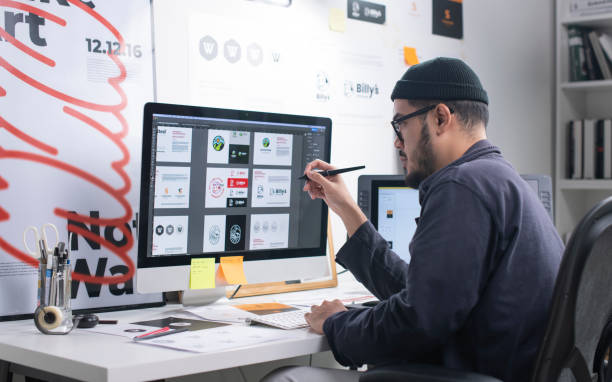
Design work opens doors to creativity, letting people turn ideas into visuals, products, and experiences that catch attention and make an impact. Creative agencies and tech companies are always on the lookout for fresh talent who can bring new energy to projects, whether it’s crafting user interfaces, shaping brand identities, or producing eye-catching graphics. These roles often come with opportunities to work in different countries, thanks to visa sponsorship, which allows designers to join teams abroad without the hassle of handling paperwork alone.
Life as a designer in these environments is fast-paced and hands-on. Days can shift between sketching concepts, collaborating with colleagues, testing designs, and receiving feedback that pushes skills further. The work blends artistic instincts with practical problem solving, and the atmosphere often encourages experimenting with new tools and approaches. Designers get to see their creations move from rough drafts to polished outputs that reach clients or millions of users.
For anyone willing to dive into this world, the experience can be both challenging and exciting. The chance to grow professionally while exploring new cultures and working alongside diverse teams adds an extra layer of appeal. Creative energy meets real-world application, offering opportunities that go beyond just a job, shaping a career path full of learning, exposure, and hands-on involvement in projects that matter.
Why Are Design Skills in Demand Around the World?
Designers are needed everywhere because businesses want to stand out and connect with people. From mobile apps to websites, ads, and product packaging, good design can make a big difference. Companies want people who can create visuals that grab attention and communicate ideas clearly. The demand isn’t limited to one country—brands in Europe, the US, Asia, and Africa all look for creative talent. Digital products are growing fast, and businesses constantly need fresh designs, making designers highly sought after in many industries.
How Can Visa Sponsorship Help Designers Work Abroad?
Visa sponsorship allows international designers to join companies in other countries without handling all the legal paperwork themselves. With sponsorship, a company applies for the work visa and supports the move, which makes it easier to focus on work and settling into a new city. Designers can gain international experience, work with different teams, and improve skills while being legally employed abroad. It also opens doors to higher salaries and exposure to bigger markets that might not be available in their home country.
What Companies Offer Visa Sponsorship?
Creative Agencies
These companies work on branding, advertisements, and visual campaigns for clients. They often hire designers who can bring fresh ideas and contribute to multiple projects. Agencies sometimes sponsor visas to get talent that isn’t available locally.
Tech Companies
Tech firms need designers for apps, websites, and software interfaces. They often hire internationally to find people who can think visually and improve user experiences.
Startups
New companies may also sponsor visas to attract designers willing to try different tasks and adapt quickly. Working at a startup can give designers hands-on experience in multiple areas of design while contributing to fast-moving projects.
Types of Design Jobs That Often Offer Visa Sponsorship
Design careers can take many forms, and some types of jobs are more likely to come with visa sponsorship, especially in creative agencies, tech companies, and startups.
Graphic Designer
Graphic designers create visuals for branding, marketing materials, and digital content. They work on logos, brochures, social media posts, and email campaigns. Companies hire graphic designers from around the world to bring fresh styles and ideas. Visa sponsorship allows these designers to join teams abroad and contribute to campaigns that reach global audiences.
UX/UI Designer
UX/UI designers focus on user experience and interfaces for websites, mobile apps, and software. They make sure products are easy to use and visually appealing. International designers are often in demand because companies need fresh perspectives on how users interact with their products. Visa sponsorship makes it possible for designers to move to countries where tech hubs are booming and gain experience on larger projects.
Product Designer
Product designers work on physical items, including electronics, furniture, and consumer goods. They create 3D models, test prototypes, and refine products before they reach customers. Many companies sponsor visas to hire product designers with experience in innovative design tools or fresh ideas that can improve products.
Motion Designer / Animator
Motion designers and animators create video content for advertising, entertainment, or online platforms. Their work includes animated ads, explainer videos, and social media clips. Motion designers with unique animation styles or technical skills are often offered visa sponsorship to join teams that produce high-quality visual content.
Visual Designer / Illustrator
Visual designers and illustrators produce digital illustrations for advertising campaigns, websites, books, or apps. They bring creativity to visual storytelling, often creating characters, icons, or branded artwork. International talent is highly sought after in this field, and visa sponsorship allows designers to work in studios or agencies that need new ideas and artistic styles.
These design jobs give professionals a chance to work in different countries, learn from new teams, and contribute to projects seen by large audiences. Companies offering visa sponsorship benefit from a wider pool of talent, while designers gain experience, skills, and exposure that can shape their careers globally.
Industries That Commonly Offer Visa Sponsorship
Designers can find opportunities across several industries, especially where companies want fresh talent and international perspectives. Certain industries are more likely to provide visa sponsorship to bring in skilled designers.
Creative Agencies
Creative agencies focus on branding, advertising, and marketing for clients. They produce logos, campaigns, social media content, and promotional materials. Agencies often seek designers from around the world to bring new ideas and artistic styles. Visa sponsorship allows international designers to join these teams and contribute to projects that reach global audiences, helping agencies stay competitive and creative.
Tech Companies
Tech companies build software, apps, and online platforms, and they need designers to improve user interfaces and experiences. Designers working in tech create website layouts, mobile app screens, and product dashboards. Many tech firms sponsor visas to attract designers who can help make their products more user-friendly and visually appealing, especially in countries with large tech hubs.
Startups
Startups focus on innovation and rapid growth, often working on new products or services. Designers in startups may handle multiple tasks, from product design to user interface and marketing visuals. Startups offer visa sponsorship to international designers when they need creative talent quickly to support fast-moving projects. Working at a startup also exposes designers to hands-on experience in different areas of design.
Gaming and Entertainment
The gaming and entertainment industries rely heavily on design for animation, game interfaces, and interactive experiences. Designers may create characters, environments, or visual effects for games, movies, or streaming content. Companies in these industries sponsor visas to bring in designers with strong animation skills, artistic vision, or experience in creating engaging user experiences.
These industries provide opportunities for designers to work abroad, gain professional experience, and collaborate with teams from different countries. Visa sponsorship makes it easier for companies to hire international talent while giving designers a chance to grow their careers and expand their skills in global settings.
How Visa Sponsorship Works for Design Jobs
Designers moving to work in another country often rely on employer-sponsored visas. These visas allow companies to legally employ international talent while helping with the paperwork and legal requirements needed to work abroad.
What Is an Employer-Sponsored Work Visa?
An employer-sponsored visa is issued when a company agrees to hire a foreign worker and applies for their work authorization. This type of visa connects the designer to the company, meaning the designer can live and work in that country as long as the sponsorship is active. The visa usually comes with conditions, such as staying with the sponsoring company for a set period.
Common Types of Work Visas
Different countries have specific visas for skilled workers. In the United States, the H-1B visa is common for designers and tech professionals. It allows foreign workers to join a company for several years, with the possibility of extensions. In the United Kingdom, the Tier 2 (Skilled Worker) visa is used for designers and other professionals, letting them work for a UK company that has applied for sponsorship. Other countries, like Canada, Australia, and Germany, have similar programs to attract international talent.
Company’s Responsibility in Sponsorship
The employer handles most of the application process. This includes submitting documents to the government, proving the job offer is genuine, and sometimes showing that no suitable local worker is available for the position. Companies may also cover application fees or provide legal support to make the process smoother. Designers usually need to provide personal documents, such as passports, educational certificates, and work experience details, but the main burden of application lies with the employer.
Visa sponsorship removes many of the challenges of working abroad. It allows designers to focus on their craft while the company manages legal requirements. Working under a sponsored visa also provides a safer and more secure way to gain international experience, learn new design techniques, and build connections in a new country.
Eligibility Criteria for Sponsored Design Roles
Getting a design job with visa sponsorship usually comes with certain requirements. Employers want to make sure candidates have the skills, experience, and documentation needed to work abroad successfully.
Educational Qualifications
Most companies look for a design-related degree, such as graphic design, product design, or visual communication. In some cases, professional certifications in software tools or design methods can also help. While formal education matters, the emphasis is often on practical skills and the ability to produce quality work. A strong portfolio can sometimes make up for a degree if it shows a designer’s abilities clearly.
Work Experience Requirements
Companies offering sponsorship often expect designers to have some work experience, although the amount varies by position. Entry-level roles might require internships or freelance work, while more advanced positions could ask for several years of professional experience. Employers want to see that candidates can handle real-world projects and contribute effectively from day one.
Portfolio and Skill Demonstration
The portfolio is one of the most critical parts of the application for both the job and the visa. Designers need to show examples of completed projects, from branding and digital content to UX/UI designs or product prototypes. Portfolios give employers confidence that the candidate can perform the work required. Some companies also ask for live tests, design challenges, or skill demonstrations as part of the hiring process. These tests can be technical, like creating a mock-up interface, or creative, like developing a short branding concept.
The visa process sometimes considers the portfolio and experience as part of proving that the applicant meets the job’s requirements. A well-prepared portfolio not only increases chances of getting hired but also helps with the documentation needed for the visa application.
Meeting these criteria ensures that designers are prepared to work in international teams, contribute to projects effectively, and handle the responsibilities of a sponsored position. Solid education, practical experience, and a clear demonstration of skills through a portfolio make the process smoother and increase the likelihood of approval for both the job and the visa.
How to Find Design Jobs That Offer Visa Sponsorship
Finding design jobs with visa sponsorship requires a focused approach. Designers need to look in the right places and connect with people who can help them access opportunities abroad.
Job Boards and Company Career Pages
Many companies post sponsored design positions directly on their career websites. Checking these pages regularly can help you spot new openings quickly. Global job boards like Indeed, Glassdoor, and specialized design job sites often allow filtering for international candidates or visa sponsorship. Reading the job descriptions carefully is important, as some listings clearly state whether the company supports work visas.
LinkedIn Filters for Visa Sponsorship
LinkedIn is a powerful tool for finding international design jobs. You can filter job searches by “Visa Sponsorship” or “Relocation Assistance” in the search settings. Following company pages and recruiters who frequently hire international designers also increases visibility to new opportunities. Engaging with posts and connecting with professionals in your field can make it easier to learn about openings before they’re widely advertised.
Networking with Recruiters and Alumni Connections
Personal connections can make a big difference in finding sponsored roles. Recruiters specializing in design or tech often know which companies are open to sponsoring visas. Joining design communities, forums, or local and online alumni networks can help you connect with people who have experience working abroad. They may provide referrals, advice on applications, or tips on which companies are actively hiring international designers.
Networking isn’t just about asking for jobs; it’s about building relationships and showing your work. Sharing your portfolio or engaging in discussions about design trends can make you more visible to potential employers.
By combining online job searches with LinkedIn strategies and personal networking, designers increase their chances of finding positions that offer visa sponsorship. The process may take time, but staying proactive and connected helps open doors to international opportunities and experiences that can grow both skills and career prospects.
Application Tips for Sponsored Design Roles
Applying for a design job with visa sponsorship can feel different from a regular job application. Employers often look for evidence that candidates can handle work abroad, adapt to new teams, and deliver results.
Adjusting Your Portfolio and Resume for the Job
Your portfolio and resume should reflect the type of work the company does. Select projects that match the style, tools, or industry of the role. If the job focuses on UX/UI, include app or website designs. For branding roles, show logos, campaigns, or marketing materials. Resumes should clearly show relevant experience, software skills, and any certifications. Using concise descriptions and visuals makes it easier for employers to see your abilities quickly.
Showing International Experience or Adaptability
Companies hiring international designers often look for signs that candidates can work in different cultures or environments. Mention any past experience working with teams in other countries, handling remote projects, or learning new tools quickly. Adaptability can also be shown through freelance work, volunteer projects, or personal projects that required solving unfamiliar problems. Even simple examples of learning and adjusting to new situations can make a positive impression.
Preparing for Interviews and Remote Assessments
Designers may be asked to complete tests, live exercises, or portfolio reviews during the hiring process. Some assessments are done remotely, so it’s important to be ready with a quiet space, reliable internet, and up-to-date software. Practice explaining your design choices clearly, as employers want to understand your thought process. Interviews may include discussions about deadlines, teamwork, or problem-solving in projects, so be prepared to provide real examples from your past work.
Benefits of Working Abroad with a Sponsored Design Job
Working abroad through a sponsored design position offers more than just a paycheck. It opens opportunities to grow professionally, learn new skills, and connect with people across the globe.
Gaining Global Work Experience
Working in a different country exposes designers to new methods, tools, and ways of thinking. It allows them to see how other teams approach projects, communicate ideas, and solve design challenges. Experiencing work in different environments can make designers more flexible and confident in their craft. It also gives them the chance to work on projects that may not be available in their home country, from high-profile campaigns to large-scale product designs.
Building an International Professional Network
Being part of a global team means interacting with colleagues, clients, and collaborators from various countries. These connections can lead to future job opportunities, collaborations, or freelance projects. Networking abroad also provides access to mentors and peers who can offer guidance, share knowledge, and help designers stay up-to-date with trends in international design. A strong network can open doors that go beyond immediate employment and create long-term career opportunities.
Opportunities for Career Growth and Skill Development
Working abroad encourages designers to develop new skills, both technical and soft. They may gain experience with advanced software, design techniques, or project management approaches used in other countries. Additionally, adapting to different work cultures improves communication, problem-solving, and teamwork abilities. These experiences make designers more attractive to employers worldwide and can lead to faster career advancement, promotions, or higher-paying positions.
Sponsored positions abroad provide more than just legal permission to work in another country. They give designers a chance to grow their craft, connect with global professionals, and expand career possibilities. Designers who take advantage of these opportunities often return with stronger portfolios, wider perspectives, and a competitive edge in the international job market.
What Challenges Should Designers Expect When Working Abroad?
Working abroad with a sponsored design job can be exciting, but it also comes with some challenges that designers should be aware of before making the move.
Relocation and Adapting to a New Culture
Moving to a new country means adjusting to different ways of living and working. Daily routines, communication styles, and workplace expectations can vary widely. Designers may need time to get used to local customs, social norms, and even small things like public transport, food, or office culture. Adapting to these changes can take effort and patience, but it also provides a chance to learn and grow personally and professionally.
Visa Processing Times and Paperwork
Getting a sponsored visa can take weeks or even months. Designers need to provide documents like passports, educational certificates, and work experience proof. Companies often handle most of the application, but waiting for approvals or dealing with government procedures can be stressful. Delays in visa processing may affect start dates, travel plans, or even project timelines. Planning ahead and staying in touch with the employer can help reduce stress during this period.
Company-Specific Restrictions or Obligations
Sponsored visas sometimes come with conditions. Designers may be required to stay with the company for a certain period or work in a specific location. Some visas limit the ability to change employers or take on freelance projects. Understanding these obligations before accepting an offer is important to avoid surprises. Following the company’s rules and visa requirements ensures that designers remain legally employed and can enjoy their international experience without complications.
While sponsored design jobs abroad offer many benefits, being aware of these challenges helps designers prepare better. Relocating, handling paperwork, and understanding company rules are part of the process, and thinking about them ahead of time makes the transition smoother and more manageable.