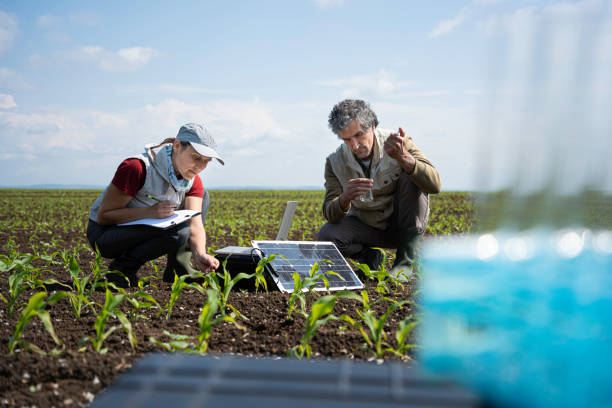
Working in agriculture today goes beyond traditional farming. Technology and research have become a big part of how crops grow, animals thrive, and farms run efficiently. Companies and research centers are looking for people to help test new tools, improve plant yields, and explore ways to make farming more productive and eco-friendly. These roles often bring the chance to travel or work abroad, with visa sponsorship making it easier to join international teams.
Jobs in this field involve experimenting with seeds, monitoring soil and water quality, tracking animal health, or analyzing data to make farming smarter. Daily work can include hands-on tasks in fields and labs, along with studying results to find better methods. The focus is not just on planting and harvesting but also on discovering ideas that can change how food is produced.
People interested in agricultural technology often get to work with machines, software, or scientific methods that farmers couldn’t imagine a few years ago. Research positions may involve studying crop behavior under different conditions or testing new fertilizers and feeding systems. The combination of outdoor work, science, and technology makes the field interesting for those who want something active, practical, and innovative. These opportunities allow growth while contributing to solutions that feed communities and protect resources.
Can International Workers Find Jobs in Agriculture Abroad?
The farming and agricultural technology scene is expanding fast, opening doors for workers from other countries. Farms and research centers across the world need people to help with planting, caring for animals, testing new tools, and collecting data. Companies are looking for fresh ideas and willing hands to improve productivity, reduce waste, and bring science into everyday farming.
Why Farming, Agri-Tech, and Research Are in Demand
Food production is growing, and farmers are turning to new methods to meet the demand. Technology in agriculture is rising, from machines that track crops to software that predicts weather patterns or soil health. Research teams are experimenting with crops that need less water or resist pests. This growth means more jobs for workers who can adapt to hands-on tasks, lab work, or field monitoring. For international workers, this is a chance to join projects that shape how food is grown while gaining global experience.
How Visa-Sponsored Jobs Help Foreign Applicants
Visa-sponsored jobs make it easier for workers from other countries to legally live and work abroad. Employers take care of the paperwork, which removes a lot of stress for applicants. These positions also provide a smoother transition into a new country, often including support with housing, orientation, and sometimes even health insurance. For international workers, this means the focus can stay on learning new methods, helping with projects, and gaining experience without worrying about legal hurdles.
In short, the combination of growing demand in farming, research, and technology, together with visa support, makes agriculture a practical option for people looking to work internationally. It’s a chance to join farms and labs, contribute to innovative projects, and live in a different country while gaining skills that last a lifetime.
What Types of Agricultural Jobs Can You Apply For?
Agriculture today offers more than just traditional farming. Workers can find positions in management, crop and livestock care, or even research and labs. Each type of job has its own daily activities and skills, giving international workers several options depending on their interest and experience.
Farm Management and Supervisory Jobs
These jobs involve overseeing farm operations and making sure everything runs smoothly. Workers may manage teams, schedule daily tasks, track inventory, and ensure equipment works properly. Supervisors often coordinate planting, harvesting, and storage, keeping the farm organized. These jobs require some experience in farming or a willingness to learn fast, along with basic management skills.
Crop Production and Horticulture Positions
Crop-focused jobs include planting, watering, fertilizing, and harvesting fruits, vegetables, and grains. Workers may also monitor soil conditions and check plants for pests or diseases. Horticulture roles specifically deal with gardens, nurseries, and ornamental plants, combining practical care with knowledge about plant growth. Attention to detail and patience are useful in these jobs because healthy crops depend on careful daily work.
Livestock and Poultry Management
Jobs in this area involve taking care of animals like cows, sheep, goats, chickens, and pigs. Workers feed animals, monitor their health, clean living spaces, and sometimes assist in breeding or milking. These positions often require handling animals safely and noticing small signs of illness early. Experience with animals or a willingness to work hands-on with them is important.
Agricultural Research and Lab-Based Jobs
These jobs focus on improving farming methods, testing soil or plant samples, and experimenting with seeds, fertilizers, or animal feed. Lab workers might record data, analyze results, or run experiments to find better ways to grow crops and raise animals. Research jobs combine fieldwork with lab work, and they are suitable for those interested in science and observation.
Each type of agricultural job offers a mix of hands-on activity and problem solving. From managing farms to working in labs, international workers can find options that match their interests while gaining practical experience. These jobs also provide exposure to new techniques and technologies that continue to shape modern farming.
How Does Visa Sponsorship Work for Agricultural Jobs?
Working abroad in agriculture usually requires a legal permit to live and work in the country. Many farms and agricultural companies offer visa sponsorship, which means the employer helps foreign workers get the necessary legal documents. This support makes it easier for workers to join farms, research centers, or agri-tech projects without handling all the paperwork alone.
Employers Provide Work Permits or Sponsorship
When a company offers visa sponsorship, they handle most of the steps to secure a work visa. This can include filling out government forms, submitting employment contracts, and sometimes covering fees. Sponsored employees receive a legal permit that allows them to work for that employer in the country. Employers may also guide workers on how to open bank accounts, get insurance, or find temporary housing.
Legal Obligations and Eligibility
Sponsored workers must follow the rules set by both the employer and the government. This often includes working only for the sponsoring company, keeping permits up to date, and meeting local labor laws. Eligibility usually depends on factors like education, experience, and health checks. Workers may need to show proof of their skills or background in agriculture, though some entry-level positions are open to beginners willing to learn.
Temporary vs Long-Term Sponsorship
Temporary sponsorship is usually for seasonal or short-term work, such as planting or harvesting crops. These visas last a few months and may allow extensions depending on the country’s rules. Long-term sponsorship is meant for ongoing employment, often with full benefits and the possibility of renewing or applying for permanent residency. Workers on long-term visas may also have more flexibility to move between different projects within the same company.
Understanding how sponsorship works helps international workers plan their move, manage expectations, and focus on their agricultural work. It ensures they can work legally, safely, and comfortably while gaining valuable experience abroad.
What Farming Technology Jobs Offer Visa Sponsorship?
Technology is changing how farms operate, and companies are looking for workers who can help bring science and machines into everyday farming. International workers can find opportunities in precision farming, smart irrigation, drone monitoring, and other tech-driven areas. Many of these companies offer visa sponsorship, making it easier for foreign applicants to work abroad.
Jobs in Precision Farming, Smart Irrigation, and Drone Monitoring
Precision farming jobs focus on collecting and analyzing data to make crops grow better. Workers may track soil quality, weather conditions, and crop health using sensors and software. Smart irrigation positions involve setting up and maintaining automated watering systems that save water and improve yields. Drone monitoring jobs include flying drones over fields to inspect crops, identify pests, or check irrigation systems. These jobs combine outdoor work with technology, making farming more efficient and data-driven.
Companies and Startups Hiring International Talent
Agricultural technology companies range from large established firms to smaller startups experimenting with new ideas. Many farms are adopting advanced machinery and software, while startups focus on drones, sensors, or sustainable systems. International workers can join these teams, helping with fieldwork, testing equipment, analyzing data, or improving existing technology. Visa sponsorship programs make it easier for these workers to live and work legally in a new country.
Skills Needed for Technology-Driven Agricultural Jobs
Tech-based agricultural positions often require a mix of farming knowledge and technical skills. Workers may need to understand how sensors, drones, or irrigation systems work. Some positions require basic coding, data analysis, or the ability to troubleshoot machines. Problem-solving, attention to detail, and willingness to learn are useful since technology in agriculture is constantly changing. Even entry-level positions may provide training to help workers get started.
Technology-driven farming jobs give international workers a chance to combine outdoor work with scientific and digital tools. With visa sponsorship, these positions allow people to gain experience in advanced agriculture, work with innovative equipment, and contribute to projects that improve farming efficiency around the world.
What Are Research and Development Jobs in Agriculture?
Research and development in agriculture is about finding new ways to grow food, improve soil, and keep crops healthy. These jobs often take place in research centers, universities, or private laboratories. International workers can join these teams with visa sponsorship, contributing to studies that affect farming practices worldwide.
Working in Research Centers, Universities, or Private Labs
Agricultural research positions are found in different settings. Research centers may focus on large-scale projects, testing crops or soil under various conditions. Universities often combine teaching and research, where workers assist in experiments and collect data for studies. Private labs usually work with companies, testing products like fertilizers, seeds, or pest solutions. These environments mix hands-on fieldwork with lab experiments.
Focus Areas: Crop Genetics, Soil Science, and Pest Management
Research jobs often focus on specific areas. Crop genetics involves studying plants to develop stronger, more productive, or disease-resistant varieties. Soil science looks at ways to keep soil healthy, improve fertility, and manage water efficiently. Pest management research finds methods to protect crops from insects, fungi, or other threats. Workers may conduct experiments, record observations, or analyze data to find practical solutions.
Collaboration with International Teams
Many research projects involve international teams. Scientists and workers from different countries share knowledge, compare results, and test solutions in various climates. This collaboration allows workers to gain experience with global agricultural methods and learn new techniques. For international workers, these positions provide exposure to advanced research and the chance to contribute to studies that impact food production in multiple countries.
Agricultural research and development jobs combine science, fieldwork, and teamwork. Workers help improve crops, protect soil, and find solutions to challenges farmers face. Visa sponsorship makes it possible for international applicants to join these teams, gain hands-on experience, and work on projects that influence agriculture on a global scale.
Who Can Apply for Sponsored Agricultural Jobs?
Working in agriculture abroad with visa sponsorship usually comes with certain eligibility requirements. These rules help employers and governments make sure workers can handle the tasks and adapt to life in a new country. Understanding what’s needed can make the application process smoother for international applicants.
Educational Background
Many agricultural jobs prefer applicants with education in agriculture, biology, agronomy, or related fields. This can include degrees, diplomas, or certificates that show familiarity with farming, plant science, or animal care. Engineering degrees are sometimes accepted for positions involving farm machinery, irrigation systems, or technology-driven agriculture. While some entry-level jobs accept beginners, having a relevant background increases the chances of being hired and sponsored.
Work Experience Requirements
Experience requirements depend on the type of job. Hands-on farming positions may accept applicants with seasonal work or internships. Supervisory, technical, or research positions usually ask for several years of experience in a similar area. Employers want workers who can step in and handle tasks with minimal training. Experience with machinery, lab experiments, crop care, or livestock management is often valued, depending on the role.
Language Proficiency and Other Documentation
Working abroad typically requires proficiency in the country’s main language. This ensures clear communication on the farm, in labs, or with local authorities. Some countries ask for standardized test scores to prove language ability. Other documents may include a valid passport, health certificates, and police clearance. Workers may also need to provide references or letters from previous employers confirming their experience and skills.
Meeting these eligibility criteria helps international workers qualify for visa-sponsored agricultural jobs and ensures they can perform the tasks safely and effectively. Having the right education, experience, and documentation increases confidence for both the employer and the worker while preparing for life in a new country.
How Can You Find Agricultural Jobs with Visa Sponsorship?
Finding agricultural jobs abroad that offer visa sponsorship may seem tricky, but there are several ways to discover opportunities. Using the right sources and connections can make the search easier and increase chances of getting hired.
Job Portals and Company Career Pages
Many farms, agri-tech companies, and research organizations post their openings online. Job portals dedicated to agriculture or international work often list positions that include visa support. Checking company career pages is also helpful because employers sometimes post vacancies directly before sharing them on general job sites. Regularly visiting these pages and setting up alerts for new postings can help applicants find positions quickly.
International Agricultural Recruitment Agencies
Some agencies specialize in connecting international workers with farms, research centers, or technology companies. These agencies often know which employers offer visa sponsorship and can guide applicants through the process. They may help with applications, interviews, and even relocation arrangements. Using a reputable agency can reduce the stress of searching alone and increase the likelihood of finding positions suited to your skills and experience.
Networking with Research Institutions and Farming Organizations
Building connections in the agricultural sector can uncover opportunities that aren’t advertised publicly. Research institutions, universities, and farming organizations often share openings within their networks. Attending conferences, workshops, or online webinars can help international workers meet professionals who may recommend them for positions. Connecting with alumni or colleagues from relevant programs can also lead to sponsored opportunities.
Combining these approaches gives international applicants a better chance of finding agricultural jobs that provide visa support. Being active in these areas ensures access to a wider range of positions and helps workers stay informed about new openings.
How to Apply for Sponsored Agricultural Positions
Applying for agricultural jobs with visa sponsorship involves more than just sending a resume. Employers need to see that you are ready to work abroad and can handle the tasks on the farm, in labs, or with technology. Understanding the steps helps applicants stay organized and improve their chances of getting hired.
Preparing Your CV and Cover Letter
A clear CV is the first thing employers notice. It should show your education, work experience, and any hands-on farming, lab, or technology experience. Highlight skills like crop care, animal management, data collection, or machinery operation depending on the job. A cover letter should explain why you are interested in the position, what you can contribute, and that you are willing to work abroad. Keeping both documents simple, honest, and focused makes a better impression than long or overly formal letters.
Submitting Documents for Visa Sponsorship
Once an employer agrees to sponsor a visa, they usually provide instructions for submitting documents. Applicants may need to provide a passport, educational certificates, work references, health records, and sometimes police clearance. Following these instructions carefully ensures there are no delays in processing. Some employers handle most of the paperwork themselves, but applicants must supply accurate and complete information.
Interview Preparation and Communication
Interviews for sponsored positions often include questions about your skills, experience, and ability to work abroad. Preparing by reviewing the job tasks and thinking about examples from your experience can help you answer confidently. Clear communication with the employer is also important. Respond promptly to emails, ask polite questions if instructions are unclear, and confirm receipt of documents when requested. This shows reliability and professionalism.
Why Work in Agriculture Abroad?
Working in agriculture in another country offers more than just a job. International workers can gain practical experience, learn new skills, and explore advanced farming techniques. These opportunities help workers grow personally and professionally while contributing to farms, research centers, or agri-tech projects.
Gaining International Experience and Technical Skills
Working abroad allows employees to see how agriculture is done in different countries. They may take part in crop care, livestock management, or laboratory experiments, depending on the job. Daily tasks provide hands-on experience that goes beyond what is taught in classrooms or local farms. Workers also pick up technical skills, like operating machinery, collecting field data, or managing irrigation systems, which can be useful throughout their careers.
Exposure to Advanced Farming Technology
Many international farms and research centers use the latest tools to improve productivity and efficiency. Workers may interact with drones, smart irrigation systems, sensors, and farm management software. This exposure helps them understand how technology can make farming more efficient, track crop growth, and protect resources. Learning to work with these tools gives employees an advantage when returning to their home country or moving to other tech-focused agricultural jobs.
Possibility of Permanent Residency or Long-Term Employment
Some agricultural jobs abroad come with the chance to stay longer. Long-term employment may lead to visa extensions or even permanent residency, depending on the country’s immigration rules. This allows workers to continue gaining experience, build a stable career, and settle in a new environment. Employers offering sponsorship often support workers in understanding these options and meeting requirements for longer stays.
Working in agriculture abroad combines practical experience, technical learning, and the opportunity to explore life in a new country. International employees benefit from hands-on tasks, exposure to modern farming methods, and possibilities for extended employment, making these jobs both educational and rewarding.