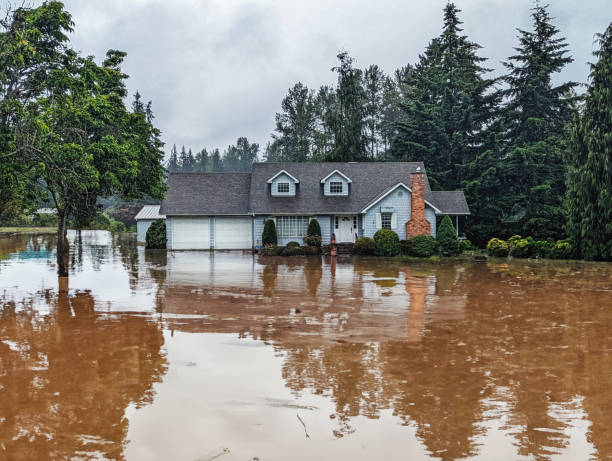
Floods can appear suddenly, turning calm streets into rushing rivers and catching people off guard. Houses, cars, and personal belongings face serious danger whenever heavy rains or overflowing rivers strike. In areas where water can rise quickly, even small storms can cause damage that costs thousands to fix.
Insurance for floods focuses on protecting both the property and the things inside it from these unexpected events. It does more than cover repairs to walls or roofs; it helps families avoid financial strain when water seeps into basements or washes away furniture.
Risk levels can differ greatly depending on the location of a property, the way land is shaped, and how close it sits to rivers, lakes, or coastlines. Roads, drainage systems, and even the history of flooding in the neighborhood can affect how vulnerable a building might be.
While no property is completely safe from water, taking steps before a flood strikes can reduce the harm. Insurance works alongside practical measures to create a buffer against sudden disasters. In cities, suburbs, and rural areas, flood insurance adapts to the specific challenges each place faces. This makes it an important tool for anyone who wants to protect homes and belongings in places where heavy rainfall or rising waters have a chance of causing serious problems.
Why Flood Insurance Matters
Floods can strike without warning, leaving homes and businesses vulnerable to sudden damage. Heavy rains, overflowing rivers, and poor drainage can turn familiar streets into dangerous zones for water. Many people assume that regular property insurance covers water damage, but most policies exclude flooding. Without proper coverage, repairing a home, replacing belongings, or fixing structural damage can become a huge financial burden.
Overview of Flood Risks for Homeowners and Businesses
Areas near rivers, lakes, or coastal regions face higher chances of flooding, but even inland properties can be affected by flash floods. Basement flooding, roof leaks from storms, and water seeping through foundations can occur in neighborhoods that rarely see heavy rainfall. Businesses face similar risks, and damage to inventory, equipment, or office space can disrupt operations and lead to unexpected costs. Past flood history, the slope of the land, and the efficiency of local drainage systems all influence how likely a property is to flood.
How Flood Insurance Protects Your Property and Finances
Flood insurance covers repairs to structures and replacement of personal belongings damaged by water. For homeowners, this may include walls, flooring, appliances, and furniture. Businesses can benefit from coverage for office equipment, inventory, and loss of income during closures. Policies often help with temporary living expenses if the home becomes uninhabitable.
Having flood insurance reduces the financial pressure when disaster strikes. Without it, property owners may need to pay thousands out of pocket or rely on government assistance, which may not cover all damages. Insurance also provides peace of mind, allowing families and business owners to focus on recovery instead of worrying about immediate repair costs. In areas where flooding can occur, this coverage acts as a safety net against unpredictable water damage.
What Flood Insurance Covers
Flood insurance helps protect both the physical structure of a property and the things inside it. Different policies cover different areas, so knowing what is included can prevent surprises when damage occurs.
Building Structure Coverage
This part of a policy focuses on the physical home or business building. It typically covers walls, floors, ceilings, and the foundation if they are damaged by floodwater. Damage to doors, windows, and built-in appliances like kitchen cabinets may also be included. For businesses, this coverage can extend to office partitions, shelving, or storage units that are part of the building itself. The goal is to make it possible to repair or rebuild the structure without bearing the full cost alone.
Personal Property Coverage
Personal belongings inside the home or business can also be protected. Furniture, electronics, clothing, and other valuables may be covered if they are damaged or destroyed by floodwater. For businesses, this includes office equipment, inventory, and documents. Some policies place limits on high-value items, so it may be necessary to list expensive items separately. This coverage helps reduce the financial burden of replacing items that are not part of the building itself.
Additional Coverage Options
Flood insurance sometimes offers extras that go beyond structural and personal property protection. Temporary housing coverage helps homeowners pay for a place to live if the home is uninhabitable. For businesses, this might cover short-term office rental or workspace. Debris removal is another option that helps cover the cost of cleaning up mud, damaged furniture, or wreckage left behind after a flood. Some policies also include limited landscaping coverage for damage to plants, shrubs, or trees caused directly by rising water.
These different layers of coverage work together to protect both property and possessions, while helping families and businesses recover faster. While basic policies focus on the building and its contents, additional options make it easier to handle the practical challenges that follow a flood. Knowing what each section covers ensures that financial stress is reduced and that repairs and replacements can begin without long delays.
Areas Typically Covered by Flood Insurance
Flood insurance provides protection for properties in areas where water damage is possible. Coverage is not limited to one type of location, and policies vary depending on the risk level of the area.
High-Risk Flood Zones
High-risk zones are areas that have a history of flooding or are more likely to flood due to their location. FEMA designates these floodplains based on maps and data that track past floods, river levels, and rainfall patterns. Properties in these zones often face higher premiums because the chance of water damage is greater. For homeowners and businesses, flood insurance may be required by lenders if a property sits in a high-risk area. This ensures that buildings and possessions are protected when floods occur, which can happen during heavy storms or when nearby rivers overflow.
Moderate to Low-Risk Areas
Properties outside the most vulnerable floodplains can still face flooding. Moderate to low-risk areas may experience flash floods, drainage problems, or unexpected storm surges. Flood insurance is optional in these regions, but it can provide financial safety for homeowners and businesses. Damage in low-risk areas may seem unlikely, but even small floods can lead to costly repairs for walls, floors, appliances, or inventory. Having coverage reduces the burden when water causes unexpected damage.
Differences Between Mandatory and Optional Coverage Areas
Mandatory coverage usually applies to properties in high-risk zones. Lenders often require it before approving a mortgage, ensuring the property is protected against frequent flooding. Optional coverage applies to areas with lower risk. While not required by law or lenders, insurance in these zones can still cover repairs and replacement costs if water damage occurs. Choosing coverage in optional areas is a personal decision, often influenced by past flooding history or local weather patterns.
Flood insurance adapts to different risk levels, offering protection for both high-risk and lower-risk areas. Whether required or optional, it gives homeowners and business owners the ability to handle unexpected water damage without facing steep out-of-pocket costs. Understanding how these areas differ can help people make informed decisions about coverage for their property and belongings.
How Flood Risk is Assessed
Understanding flood risk helps determine how likely a property is to face water damage and what type of coverage may be needed. Several factors come together to assess this risk, from official maps to local conditions and past events.
Flood Maps and FEMA Flood Zones
Flood maps created by FEMA show areas that are prone to flooding. These maps divide regions into zones based on the chance of water reaching a property in a given year. High-risk zones are labeled with letters like A or V, while moderate to low-risk areas are shown with letters like B or X. Insurance companies use these maps to decide premiums, and lenders often require insurance for homes in high-risk zones. Flood maps are updated periodically to reflect changes in land use, river patterns, and rainfall patterns, giving a clearer picture of current risks.
Local Topography, Drainage Systems, and Water Bodies
The shape and slope of the land around a property affect how water flows and collects during storms. Low-lying areas or properties near rivers, lakes, or coastal edges face a higher chance of flooding. Drainage systems, including storm drains and ditches, can help prevent water buildup, but clogged or insufficient systems increase the risk. Areas with poor drainage or flat land may see water pooling even during moderate rainfall, making local conditions a critical factor in risk assessment.
Historical Flood Data and Climate Considerations
Past flooding events give insight into how often water has reached a property or neighborhood. Historical data helps predict patterns and identify areas more likely to flood. Climate trends, including heavy rainfall or stronger storms, also influence future risk. Rising temperatures can increase the intensity of storms, leading to more frequent or severe flooding. Insurance companies and local planners take this information into account to estimate potential damage and adjust coverage or recommendations accordingly.
By combining maps, land features, drainage quality, past events, and climate patterns, flood risk assessment provides a clearer picture of which properties need protection. This helps homeowners, businesses, and insurance providers make better decisions about coverage and preparedness for unexpected water damage.
Factors Affecting Flood Insurance Premiums
Flood insurance premiums can vary widely depending on multiple factors. Insurers consider the likelihood of flooding, the property itself, and the owner’s history with claims to calculate the cost. Understanding these factors can help homeowners and business owners see why premiums differ from one property to another.
Location and Elevation of the Property
Where a property sits is one of the biggest influences on flood insurance costs. Homes or businesses in high-risk zones near rivers, lakes, or the coast usually have higher premiums because water can reach them more easily. Elevation also matters. Buildings on higher ground or raised foundations tend to pay less because water is less likely to reach them. Even within the same neighborhood, small differences in elevation can change how much insurance costs.
Property Age, Construction Type, and Materials
Older buildings often face higher premiums because their structures may not handle water damage as well as newer buildings. The materials used in construction also affect rates. For example, concrete or brick homes might withstand flooding better than wood structures. The type of foundation, the presence of a basement, and the overall design can also impact costs, as these features influence how easily floodwater can cause damage.
Previous Claims History and Mitigation Measures
Properties that have filed flood insurance claims in the past may face higher premiums. Repeated claims suggest a higher likelihood of future damage. On the other hand, homes or businesses that have taken steps to reduce flood damage like installing sump pumps, elevating electrical systems, or adding flood barriers can sometimes qualify for lower rates. Insurers consider these measures as signs that the property is better protected and less likely to suffer major damage in future floods.
Premiums are shaped by a mix of location, structure, history, and protective measures. Understanding these factors can help property owners see why rates differ and consider ways to reduce costs while keeping coverage strong. Flood insurance balances risk and protection, making these factors central to how much is paid for coverage.
Steps to Protect Your Property from Flood Damage
Taking action before water reaches a property can reduce damage and make recovery faster. Simple measures can protect homes and businesses from costly repairs and lost belongings.
Installing Flood Barriers and Sump Pumps
Flood barriers, such as sandbags or removable panels, help keep water from entering doors, windows, and low openings. They act as a first line of defense during heavy rainfall or rising water levels. Sump pumps, often installed in basements, remove water that collects inside, preventing flooding from spreading and damaging floors and walls. Regularly checking these devices ensures they work properly when they are needed most.
Elevating Critical Utilities and Appliances
Electrical systems, water heaters, heating units, and other essential appliances can be damaged if water reaches them. Elevating these items above expected flood levels reduces the chance of costly repairs or replacement. In some cases, utilities may be moved to higher floors or installed on platforms. This simple step can also prevent dangerous electrical hazards that may occur when water contacts live circuits.
Maintaining Drainage Systems and Gutters
Clogged gutters and drains can cause water to pool around a property instead of flowing away. Cleaning gutters regularly and checking drainage pipes ensures rainwater is directed safely away from foundations and basements. Clearing debris, trimming nearby plants, and inspecting storm drains can help water flow smoothly, reducing the risk of sudden flooding. Maintaining these systems is a small effort that can save a lot of damage and stress when heavy rains arrive.
By taking these steps, property owners can reduce the impact of floods and limit the cost of repairs. Flood barriers and pumps keep water out, elevating utilities protects essential systems, and maintaining gutters and drains ensures water moves away from the property. These practical measures work together with flood insurance to create stronger protection and faster recovery when water threatens a home or business.
How Do I File a Flood Insurance Claim?
Filing a flood insurance claim can feel overwhelming after water damage, but knowing the steps can make the process smoother. Clear communication and organized documentation help ensure claims are handled quickly and accurately.
How to Report Flood Damage
The first step is contacting your insurance company as soon as possible. Provide basic details about the flood, when it happened, and the areas of your property that were affected. Many insurers have dedicated hotlines or online forms for reporting flood damage. Early reporting speeds up the process and starts the assessment for repairs and coverage.
Required Documentation
Insurance companies need proof of damage to process claims. Take clear photos or videos of affected areas, including floors, walls, furniture, and personal belongings. Keep receipts for items that were damaged or repaired, as well as estimates from contractors or repair services. If personal property needs replacement, make a list of items with approximate values. Organized documentation helps avoid delays and ensures the claim accurately reflects the damage.
Working with Insurance Adjusters
After reporting, an insurance adjuster may visit the property to inspect the damage. They evaluate how the flood affected the structure and belongings and provide an estimate for repair or replacement. It’s helpful to be present during the inspection to point out damaged items and answer questions. Keep notes of conversations and any commitments made by the adjuster. Clear communication ensures there are no misunderstandings and that coverage reflects the full extent of damage.
Filing a flood insurance claim is a step-by-step process that starts with reporting, continues with collecting documentation, and includes working closely with an adjuster. Staying organized and providing clear evidence helps speed up the process and reduces stress. Taking these actions makes it easier to repair property and replace belongings after flood damage, letting homeowners and business owners focus on getting back to normal life.
How Can Communities Reduce Flood Risk?
Flood protection doesn’t just happen at individual properties. Communities can take actions that lower the chances of widespread damage and help residents recover more quickly when water rises.
Local Flood Control Projects
Many towns and cities build structures to manage water during heavy rain or river overflow. Levees, for example, are raised barriers that keep water from spilling into neighborhoods. Retention ponds collect excess rainwater and release it slowly to prevent sudden flooding. These projects are designed to reduce water levels in areas that would otherwise be prone to damage. Regular maintenance is necessary to make sure these systems work when needed.
Community Flood Awareness Programs
Education and awareness help residents prepare for floods before they happen. Communities may run programs that teach people how to protect their homes, create emergency kits, and safely evacuate if water rises. Neighborhood meetings, flyers, and online resources can share tips on clearing drains, securing valuables, and understanding local flood risks. Awareness programs encourage collective action and help reduce panic when storms arrive.
City Planning and Mitigating Flood Hazards
The way cities are designed can affect how water moves through streets and neighborhoods. Proper zoning can prevent construction in areas that frequently flood, while streets and drainage systems can be planned to carry water away from homes. Parks or green spaces may act as natural buffers, absorbing rainwater before it reaches streets or buildings. Building codes can require elevated foundations or other construction measures that reduce damage during floods. Careful planning reduces long-term risk and helps protect both property and residents.
Communities that combine physical structures, education, and thoughtful city design create safer environments for everyone. Flood control projects slow water, awareness programs teach residents how to respond, and smart planning keeps neighborhoods out of harm’s way. Working together, communities can reduce the impact of floods and make recovery faster and less stressful for families and businesses.
What Other Coverage Options Are Available for Flood Protection?
Flood insurance is not the only way to protect property, and some people may need extra coverage depending on their situation. Understanding the differences between policies and options can help homeowners and business owners plan better for water damage.
Homeowner’s Insurance vs. Flood Insurance
Most standard homeowner’s insurance policies do not cover flood damage. They generally cover fire, theft, or wind damage, but water from rising rivers, heavy rain, or storm surges is excluded. Flood insurance is specifically designed to cover this type of damage. Homeowners should check their current policy to see what is and isn’t included. Having both types of insurance ensures that both general risks and flood-specific risks are covered.
Excess Flood Insurance Policies
Some areas or properties may face very high flood risks. Standard flood insurance policies have limits on how much they will pay for damage to buildings or personal belongings. Excess flood insurance provides additional coverage above these limits. This can be useful for high-value homes, expensive equipment, or areas where flooding is frequent or severe. Excess policies act as an extra layer of protection for unexpected or extensive damage.
Business Interruption Coverage for Commercial Properties
For businesses, damage from flooding can go beyond physical repairs. Business interruption coverage helps cover the loss of income if a store, office, or factory cannot operate due to water damage. This coverage may include lost profits, payroll, and other ongoing expenses while the property is being repaired. Combining flood insurance with business interruption coverage helps companies recover financially and continue operations without long-term setbacks.
Understanding these alternatives and supplemental options ensures property owners are prepared for different levels of flooding and financial impact. Homeowners gain extra protection for their property and belongings, while businesses can protect both their structures and income. Combining standard insurance with flood-specific policies creates a stronger safety net against unexpected water damage.