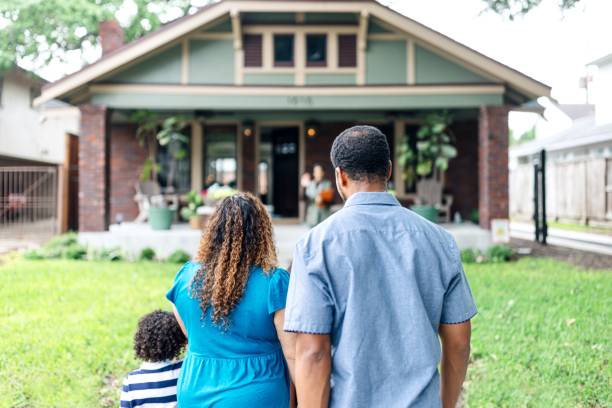
Homeowners face a lot of uncertainty when it comes to the forces of nature. Storms, floods, earthquakes, and fires can strike without warning, leaving damage that can cost thousands to repair. Homes are more than just buildings, they hold memories, personal belongings, and the sense of safety that comes from having a place to call your own. Natural disasters can shake that sense of security in an instant, turning everyday life upside down.
Insurance that covers disasters can help protect against sudden financial strain and the stress that comes with unexpected repair costs. It acts like a safety net, helping homeowners manage the impact when the unexpected happens. While the thought of floods or tornadoes might feel far away, even small incidents like heavy rain causing roof leaks or a fallen tree damaging a fence can create big headaches.
Property protection through insurance doesn’t stop at the walls of the house either. It can cover belongings inside, from furniture to electronics, giving homeowners peace of mind that their investments are not lost to unforeseen events. The focus is on keeping life moving forward after the damage occurs and helping homes recover faster. Coverage matters because the aftermath of a disaster is challenging enough without having to worry about covering every expense out of pocket.
Why Homeowners Insurance Matters
Protecting Your Home and Property
A home is more than just a place to live. It holds personal belongings, memories, and a sense of stability. Without protection, a sudden event like a fire, storm, or theft can create serious problems. Damage to the structure of the house or loss of belongings can be expensive and stressful. Homeowners insurance helps keep your home and possessions safe from financial strain if disaster strikes.
Financial Security Against Unexpected Events
Life can be unpredictable, and accidents happen. A tree falling on the roof during a storm, a kitchen fire, or even a burst pipe can lead to repairs that cost thousands. Insurance provides a safety net that can cover these expenses. Instead of paying everything out of pocket, claims can help cover repairs or replacements, making it easier to get life back on track.
Insurance can also cover temporary living costs if the home becomes uninhabitable after a disaster. This means families don’t have to worry about where to stay or how to manage daily expenses while repairs are underway.
Peace of Mind
Knowing that financial support is available when unexpected events occur reduces stress and worry. Homeowners can focus on recovery instead of scrambling to pay for repairs. Insurance allows planning for the future without the constant fear that a single incident could cause serious financial trouble.
By protecting both the home itself and the items inside, insurance acts as a safeguard that keeps daily life moving forward. It helps homeowners recover faster, replacing damaged property and easing the burden of repair costs. In short, homeowners insurance is about keeping homes and families secure when the unexpected happens.
What Homeowners Insurance Covers
Homeowners insurance can protect different parts of a home and the people living in it. Understanding what is covered helps homeowners feel safer and prepared when unexpected events happen.
Structure of the Home
The house itself is the main part of the coverage. This includes walls, roof, floors, and the foundation. If a storm damages the roof or a fire affects the walls, the insurance can pay to repair or rebuild these parts. Damage from natural disasters, falling trees, or even accidents inside the home often falls under this part of coverage. This ensures the home can be restored without having to pay huge repair costs out of pocket.
Personal Belongings
Inside the house, furniture, electronics, clothing, and other personal items are also covered. If items are stolen during a break-in or damaged by fire or water, insurance can replace or repair them. Coverage can vary depending on the type of belongings, so keeping a record of valuable items or receipts can help when filing a claim. Even small things, like a broken television or damaged appliances, can be included, reducing the financial burden after an accident.
Liability Coverage
Liability coverage protects homeowners if someone gets injured on their property or if the home causes damage to someone else’s property. For example, if a guest trips on a loose floorboard or a tree falls onto a neighbor’s fence, the insurance can cover medical bills or repair costs. This part of insurance helps prevent a single accident from leading to major financial trouble.
Additional Living Expenses
If the home becomes uninhabitable after a disaster, homeowners insurance can cover temporary living costs. This might include hotel stays, meals, and other necessary expenses while repairs are being made. Having this coverage means families can stay safe and comfortable without worrying about extra bills piling up during a stressful time.
Homeowners insurance provides protection that goes beyond the physical house. It covers belongings, safeguards against accidents, and ensures families have somewhere to stay when disasters strike. Knowing what is included in the coverage gives homeowners confidence that both their property and finances are better protected.
Natural Disasters Typically Covered
Homeowners insurance often protects against damage caused by natural disasters. Knowing what types of events are usually covered can help homeowners respond quickly if something happens.
Fire and Smoke Damage
Fires can start in many ways—faulty wiring, kitchen accidents, or nearby wildfires. Homeowners insurance usually covers damage to the structure of the home as well as personal belongings affected by fire. Smoke can cause damage even if flames do not touch certain areas. Furniture, clothing, electronics, and walls can all be repaired or replaced with the help of a claim. This coverage helps prevent the high costs of fire damage from becoming overwhelming.
Windstorms and Hail
Strong winds and hail can break windows, damage roofs, and even cause trees to fall onto homes. Insurance can cover repairs to both the outside and inside of the house when damage occurs. Even siding, gutters, and other parts of the exterior may be replaced under a claim. While minor dents or cosmetic issues might not always be included, damage that affects the safety or function of the home typically is.
Lightning Strikes
Lightning strikes can ignite fires or damage electronics and appliances. Insurance can cover repairs to the structure and replacement of items affected by a strike. For example, if lightning hits a roof or travels through electrical wiring, the costs of fixing fire damage or replacing fried electronics can be handled through homeowners insurance. This coverage protects both the home and the belongings inside from sudden and often expensive accidents.
Theft or Vandalism Following a Disaster
Disasters can sometimes leave homes vulnerable to theft or vandalism. If windows are broken or doors are damaged during a storm, burglars might take advantage of the situation. Many insurance policies cover theft or vandalism that happens as a direct result of a covered disaster. This ensures that homeowners do not have to bear the costs of replacing stolen items or fixing deliberate damage while already dealing with a natural disaster.
Coverage for natural disasters gives homeowners a sense of security. It helps repair damage, replace lost items, and restore safety after events that are often beyond anyone’s control. With the right insurance, recovery becomes more manageable, and the financial burden of these emergencies is reduced.
Natural Disasters Often Not Covered by Standard Policies
While standard homeowners insurance covers many common disasters, some natural events usually require extra protection. Understanding what is not included helps homeowners plan ahead.
Floods
Flood damage is rarely included in a regular homeowners policy. Heavy rain, overflowing rivers, or flash floods can cause major damage to a home and belongings. Walls, floors, furniture, and appliances can be ruined in a matter of hours. Because flood damage is so common in certain areas, insurance companies often require a separate flood insurance policy. This additional coverage ensures homeowners are protected when water enters their home and causes costly repairs.
Earthquakes
Damage from earthquakes is typically excluded from standard homeowners insurance. Earthquakes can crack foundations, collapse walls, and destroy roofs in a short time. To cover this risk, homeowners usually need to buy an earthquake insurance policy. The policy can help pay for structural repairs and sometimes replacement of damaged belongings. Without it, repair costs from an earthquake must be paid entirely out of pocket, which can be financially devastating.
Hurricanes
Hurricanes can cause both wind and water damage. While some wind damage might be included in standard policies, the flooding and storm surge associated with hurricanes often require separate coverage. In areas prone to hurricanes, insurance companies may offer policies specifically designed to cover wind and flood damage caused by these storms. This additional protection can cover roof damage, broken windows, and water entering the home.
How to Purchase Additional Coverage
Homeowners looking to protect against floods, earthquakes, or hurricanes can contact their insurance provider to add extra coverage. Policies can be purchased as endorsements or separate policies depending on the insurer. It is helpful to compare options, costs, and limits before deciding. Taking photos of the property and keeping an inventory of belongings can make the claims process smoother.
Extra coverage gives homeowners confidence that their home and possessions are protected from events that standard policies don’t handle. While these disasters may seem rare, the financial impact can be severe without proper insurance. Planning ahead ensures recovery is possible without facing overwhelming costs.
How Much Will Insurance Actually Pay?
Understanding how much homeowners insurance will cover can make a big difference when filing a claim. Knowing limits and deductibles helps homeowners avoid surprises after a disaster.
Maximum Payouts for Different Coverage Types
Insurance policies have maximum payout amounts, which is the most the company will pay for a claim. These limits can differ depending on what is being covered. For example, the structure of the home may have a higher limit than personal belongings like furniture or clothing. Liability coverage, which handles injuries to guests or damage to others’ property, also has its own separate limit. Choosing limits that reflect the actual value of the home and belongings ensures repairs or replacements are fully covered when needed.
Deductibles: What They Are and How They Affect Claims
A deductible is the amount homeowners must pay out of pocket before insurance begins to cover the rest. For instance, if a claim totals 5,000 dollars and the deductible is 1,000 dollars, the insurance company will pay 4,000 dollars and the homeowner covers the remaining 1,000 dollars. Higher deductibles usually lower monthly premiums but increase the money paid when filing a claim. Lower deductibles mean less out-of-pocket cost per claim but slightly higher premiums. Understanding this balance helps homeowners choose what works best for their budget.
Choosing the Right Limits Based on Property Value
Limits should reflect the true value of the home and belongings. If limits are too low, homeowners may have to pay extra to replace or repair items after damage. For example, a house with a newer roof and high-end appliances will need higher coverage than an older home with basic features. Taking an inventory of valuable items and estimating repair costs can help determine the right coverage. Adjusting limits as the home and possessions increase in value ensures the insurance remains adequate over time.
Understanding payout limits and deductibles makes it easier to plan for recovery after damage. It allows homeowners to match coverage with real needs, avoid unexpected expenses, and have confidence that insurance will help when disaster strikes.
How Can You Make Your Home Safer Before a Disaster?
Taking steps to protect a home before a disaster can reduce damage and make recovery easier. Simple actions can save money and prevent stress when unexpected events happen.
Reinforcing Structures Against Storms and Earthquakes
Strengthening the home’s structure helps it withstand severe weather or shaking from an earthquake. Roofs, walls, and foundations can be inspected and repaired to handle heavy winds or rain. In areas prone to earthquakes, adding braces or supports can prevent walls and floors from collapsing. Even securing outdoor items like garden furniture or loose siding can prevent them from causing damage during strong storms. Small improvements in construction and maintenance can make a big difference when disaster strikes.
Installing Smoke Detectors, Fire Extinguishers, and Security Systems
Early warning and quick response are key to limiting damage. Smoke detectors can alert residents to fires before they spread, and fire extinguishers help control small flames. Installing security systems, cameras, and alarms can prevent theft or vandalism, especially after a natural disaster when homes may be more vulnerable. These tools protect both the property and the people living in it, giving peace of mind during risky situations.
Documenting Property for Insurance Claims
Keeping records of personal belongings and home improvements makes filing insurance claims faster and easier. Photos or videos of furniture, electronics, clothing, and appliances provide proof of ownership. Receipts or invoices help confirm the value of items and repairs. Organizing this information in a safe place, like cloud storage or a fireproof box, ensures it is accessible even if the home is damaged. This preparation can prevent delays and disputes with insurance companies, speeding up recovery.
Taking preventive steps before a disaster reduces both damage and stress. Strong structures, safety devices, and proper documentation give homeowners confidence that their property and finances are better protected. Planning ahead can turn a potentially overwhelming situation into one that is manageable and less costly.
How Do You File a Homeowners Insurance Claim After a Disaster?
Filing a claim after a natural disaster can feel overwhelming, but breaking it into steps makes the process easier. Being organized and informed helps homeowners get repairs and replacements faster.
Step-by-Step Guide
The first step is to contact the insurance company as soon as possible. Most insurers have hotlines or online portals for reporting damage. Next, document everything that has been affected. Take clear photos or videos of damage to the structure, personal belongings, and any surrounding property. Keeping notes about the time, date, and cause of damage can also help. After documentation, complete and submit the claim forms provided by the insurer. Make sure all requested details are included to avoid delays.
Working With Adjusters and Understanding Claim Settlement
After submitting a claim, an insurance adjuster may visit the home to inspect the damage. They assess the extent of the loss and estimate repair costs. Homeowners should be present during the inspection if possible, pointing out all affected areas and items. Keep copies of all communications, receipts, and repair estimates. Once the adjuster submits their report, the insurance company will review it and determine the settlement amount. Understanding that the settlement may not cover every cost helps homeowners plan for any gaps in funding.
Tips to Speed Up the Process and Avoid Disputes
Organized records of damage and ownership make claims faster and easier to process. Providing clear, detailed information and responding quickly to any insurer requests helps prevent delays. Avoid making major repairs before the claim is approved unless necessary for safety, and keep damaged items until the insurance company has reviewed them. Clear communication with the adjuster and insurer reduces misunderstandings. Being patient but proactive can help claims move smoothly from start to finish.
Filing a claim after a natural disaster is a process that combines documentation, communication, and patience. Following each step carefully ensures homeowners get the coverage they need to repair their home and replace lost belongings without unnecessary delays or confusion.
What Determines How Much Homeowners Insurance Costs?
Insurance premiums can vary widely, and several factors influence how much homeowners pay. Understanding these can help plan for costs and make choices that lower risk.
Location and Risk of Natural Disasters
Where a home is located has a big impact on insurance costs. Areas prone to floods, hurricanes, tornadoes, or wildfires often have higher premiums because the likelihood of damage is greater. Even local weather patterns, such as heavy rainfall or strong winds, can influence rates. Homes in safer areas with less exposure to natural disasters usually pay less for coverage.
Age and Condition of the Home
Older homes or homes in poor condition often cost more to insure. Roofs, plumbing, and electrical systems that are outdated or worn out increase the risk of damage or accidents. Newer homes or those recently renovated tend to be cheaper to insure because repairs are less likely, and the structure is more durable. Regular maintenance and updates can reduce premiums over time.
Security Features and Disaster Prevention Measures
Homes with safety and prevention features may have lower insurance costs. Smoke detectors, fire extinguishers, security cameras, and alarm systems reduce the chances of loss or damage. Reinforced structures, storm shutters, or earthquake braces also help protect the home. Insurance companies often reward homeowners who take steps to minimize risks.
Claims History and Coverage Amounts
A homeowner’s past claims can affect premiums. Multiple claims in the past suggest higher risk, which may lead to higher rates. The amount of coverage selected also matters. Higher coverage limits or lower deductibles usually increase premiums because the insurer has a larger potential payout. Conversely, choosing reasonable coverage limits and manageable deductibles can balance protection with cost.
Insurance premiums are influenced by a mix of the home’s location, condition, safety features, past claims, and the coverage chosen. Being aware of these factors allows homeowners to make smart decisions, reduce risks, and better plan for the cost of protecting their property.
How Do You Pick the Right Homeowners Insurance?
Finding the right insurance policy means looking at different options carefully and thinking about what fits your home and budget. Small differences in coverage can make a big difference when a disaster strikes.
Comparing Policies from Different Insurers
Not all insurance companies offer the same coverage or rates. It’s a good idea to get quotes from multiple providers to see the differences. Comparing policies helps homeowners find the best mix of coverage and cost. Look at what is included for the home structure, personal belongings, liability, and additional living expenses. Checking reviews or asking for recommendations can also give insight into how quickly a company handles claims.
Reading the Fine Print for Exclusions and Limitations
Every policy has rules about what is and isn’t covered. Exclusions can include certain natural disasters, like floods or earthquakes, or specific types of damage. Limitations may cap the amount paid for some items, like jewelry or electronics. Reading these details carefully prevents surprises later. Understanding what needs extra coverage and what is automatically included helps homeowners make informed choices and avoid gaps in protection.
Considering Bundled Policies for Cost Savings
Some insurers offer discounts when multiple policies are bought together, like combining home and auto insurance. Bundling can reduce premiums while keeping coverage consistent. Before choosing a bundle, check that the coverage for each policy meets your needs and that the total cost is lower than buying separate policies. Bundled policies can simplify payments and communication with the insurer, making it easier to manage insurance overall.
Choosing the right homeowners insurance involves balancing coverage, cost, and convenience. Comparing policies, reading the fine print, and looking at bundled options help homeowners find protection that fits their home and lifestyle. Taking the time to review these aspects ensures that insurance works effectively when damage or loss occurs.