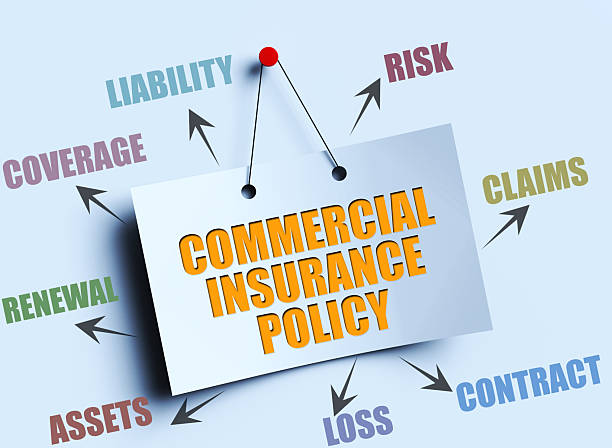
Running a small company or offering professional services comes with a lot of moving parts. Every day brings emails, meetings, contracts, and client expectations. A single mistake, a misstep, or an unexpected accident can create financial trouble fast. Bills, legal fees, or client claims can appear out of nowhere, and they rarely wait for a calm moment.
Business liability insurance acts like a safety net that helps cover these unexpected costs, giving room to focus on work without constantly worrying about what could go wrong. It brings a sense of security when facing tricky situations and protects both the company and the people it serves. Even a small slip, like a missed deadline, faulty advice, or accidental damage to a client’s property, can trigger costs that pile up quickly.
With insurance in place, there’s a way to manage these situations without putting personal finances or business stability at risk. This kind of coverage works quietly in the background, letting owners concentrate on daily operations, client projects, and growth opportunities. It also shows clients and partners that the business takes responsibility seriously, which can build trust and confidence in professional interactions.
For small companies and service providers, having this type of support creates a smoother path to handle challenges without constant stress over what might happen next.
What is Business Liability Insurance?
Business liability insurance is a type of coverage designed to protect companies from financial losses that result from unexpected incidents or claims. It provides a safety net when accidents happen, mistakes are made, or third parties experience harm connected to a business’s operations. The purpose of this insurance is to help small businesses and professional service providers manage costs that can arise from legal claims, property damage, or injuries. Without it, even minor incidents could become expensive, affecting both the company and the personal finances of business owners.
How It Protects Small Businesses and Professional Service Providers
Business liability insurance covers a variety of situations that can disrupt operations or lead to lawsuits. For example, if a client slips in an office, the insurance can help cover medical bills or legal fees. In professional services, if advice or work leads to financial loss for a client, liability coverage can help manage the claim. This protection allows business owners to focus on daily operations without constantly worrying about the financial impact of mistakes, accidents, or lawsuits.
Difference Between General Liability and Professional Liability
General Liability Insurance covers physical risks such as property damage, bodily injuries, and accidents that happen on business premises or during business operations. It is often used by companies that interact with customers in person or handle physical products.
Professional Liability Insurance, sometimes called errors and omissions insurance, focuses on mistakes in the services provided. It protects against claims from clients who experience financial loss due to advice, consulting, or professional services that did not meet expectations.
While general liability handles physical risks, professional liability covers service-related mistakes. Small businesses or professional service providers may need either or both types depending on the work they do and the clients they serve. Together, these coverages provide a way to manage unexpected financial setbacks and maintain stability even when challenges arise.
Types of Business Liability Insurance
Business liability insurance comes in different forms, each designed to cover specific risks that companies may face. Choosing the right type depends on the kind of business and the services or products offered.
General Liability Insurance
General liability insurance protects businesses against claims involving bodily injury, property damage, or accidents that occur during daily operations. For example, if a client slips in an office or a delivery damages a customer’s property, this coverage can help pay medical bills, repair costs, or legal fees. It is commonly used by businesses that interact directly with customers, visit client sites, or have a physical location.
Professional Liability Insurance (Errors & Omissions)
Professional liability insurance, also known as errors and omissions insurance, is designed for businesses that provide services or advice. It covers mistakes, negligence, or failure to meet professional standards that result in a client’s financial loss. For instance, if an accountant makes an error on a client’s tax filing or a consultant gives advice that leads to a loss, this insurance can help cover legal expenses or settlements.
Product Liability Insurance
Product liability insurance is meant for businesses that manufacture, distribute, or sell products. It protects against claims arising from injuries or damages caused by faulty or defective products. For example, if a kitchen appliance malfunctions and injures a customer, this insurance can help cover medical costs, repair, or replacement and defend the business in legal proceedings.
Cyber Liability Insurance
Cyber liability insurance addresses risks related to data breaches, hacking, or other digital threats. Businesses that handle customer information online, store sensitive data, or operate e-commerce platforms can face financial losses if a breach occurs. This insurance helps cover costs for notification, legal fees, and recovery efforts after a cyber incident.
Each type of liability insurance addresses a specific area of risk. Businesses that combine multiple coverages can better protect themselves from unexpected events, whether physical accidents, service mistakes, faulty products, or digital threats. Choosing coverage based on the nature of operations and potential risks ensures a safer and more stable business environment.
Why Small Businesses Need Liability Insurance
Liability insurance is more than just a safety net. For small businesses, it can prevent financial setbacks and provide confidence in day-to-day operations. Several reasons show why this coverage is useful for companies and service providers.
Protection Against Lawsuits and Financial Loss
Accidents, mistakes, or claims from clients can happen at any time. Without insurance, legal fees, medical bills, or settlements could come directly out of the business’s funds, or even the owner’s personal savings. Liability insurance covers these costs, helping businesses handle lawsuits or unexpected expenses without going bankrupt. For example, if a client is injured on a business property, general liability insurance can cover medical bills and legal expenses. For service providers, professional liability insurance can handle claims from mistakes or negligence in their work.
Building Credibility with Clients and Partners
Having liability insurance signals responsibility to clients and partners. It shows that a business is prepared to handle unexpected issues and takes accountability seriously. This can make clients feel safer hiring the business for services or buying products. Partners and suppliers may also view the business as trustworthy, which can open opportunities for contracts, collaborations, or long-term deals. Being insured gives a sense of professionalism that helps small businesses compete with larger companies.
Legal Requirements in Certain Industries
Some industries require liability insurance before businesses can operate. Construction companies, health services, and professional consultants often must show proof of insurance to meet licensing rules or contracts. Without coverage, a business may face fines, legal trouble, or even the inability to operate. Meeting these requirements not only keeps a business legally compliant but also protects it from potential claims that could disrupt operations.
Liability insurance combines financial protection, professional credibility, and compliance with industry rules. For small businesses, this makes it easier to focus on growth and client work without constant worry over accidents, mistakes, or legal claims. Having coverage ensures that unexpected problems don’t turn into financial disasters, giving business owners peace of mind as they manage daily operations.
What Liability Insurance Usually Covers
Liability insurance can cover several types of risks that might affect a business. Understanding what is included helps small business owners and service providers see how it can protect them from unexpected costs.
Bodily Injury and Property Damage
This coverage protects against accidents that cause harm to people or damage to property. For example, if a client slips in a store or an office and gets hurt, insurance can cover medical bills and legal costs. If business activities accidentally damage a customer’s property, the policy can help pay for repairs or replacement. This type of coverage is common in general liability insurance and applies to situations that happen on business premises or during operations.
Personal and Advertising Injury
Personal and advertising injury covers claims related to things like defamation, copyright violations, or false advertising. For instance, if a business is accused of using someone else’s photos in marketing materials without permission, this coverage can help with legal fees or settlements. It also applies to slander or libel claims, protecting businesses from costs connected to reputation-related issues.
Legal Defense Costs
Legal defense costs are often included in liability policies, even if the business is not at fault. This means the insurance can pay for lawyers, court fees, and related expenses if a lawsuit arises. These costs can add up quickly, so having coverage allows business owners to defend themselves without draining resources meant for operations.
Employee-Related Claims
Some liability policies also cover claims related to employees, such as wrongful termination, harassment, or discrimination. This coverage helps protect businesses from legal expenses and settlements connected to workplace disputes. While not all policies include this automatically, it can often be added as extra coverage depending on the business’s needs.
Liability insurance brings peace of mind by addressing a range of potential issues that could disrupt a business or lead to high costs. From accidents and property damage to legal claims and workplace disputes, the coverage helps small businesses handle problems without threatening financial stability.
How to Decide How Much Liability Coverage You Need
Finding the right amount of liability coverage helps businesses avoid paying too much for insurance while still protecting against unexpected costs. The right coverage depends on several factors, including the size of the business, the type of work done, and the possible risks.
Assessing Business Size, Industry Risks, and Potential Legal Exposure
The size of a business affects how much coverage is needed. A small shop with a few employees may face lower risks than a busy construction company or a firm offering professional services. The type of industry also matters. Businesses that interact directly with the public, handle physical products, or provide advice can face different kinds of claims. Potential legal exposure includes how likely it is for accidents, mistakes, or disputes to happen and the possible costs if they do. Evaluating past incidents in similar businesses or common claims in the industry can give a better idea of how much coverage is reasonable.
Factors Affecting Premiums
Insurance premiums vary based on several factors. The size of the business, annual revenue, number of employees, and location can all influence cost. The type of coverage chosen also matters; general liability may cost less than professional liability or cyber liability. Claims history can impact premiums too. A business with a history of frequent claims may pay more, while one with a clean record may get lower rates.
Examples for Small Businesses vs Professional Service Providers
For a small retail store, coverage might focus more on general liability to handle slips, property damage, or minor accidents. The premium may be modest if the store is small and has few employees. For a professional service provider, such as an accounting firm or consultancy, professional liability becomes more important. Coverage needs may be higher because mistakes or bad advice can lead to costly claims, even if no physical accident occurs.
Deciding how much liability coverage to carry involves balancing protection with cost. Evaluating the type of work, risks involved, and possible legal exposure helps ensure that a business is prepared for unexpected events without overpaying for insurance. By thinking through these factors, small businesses and professional service providers can choose coverage that fits their specific situation.
Choosing the Right Insurance Provider
Finding the right insurance provider can make a big difference in how well a business is protected and how easy it is to manage a policy. It’s not just about price; factors like trust, experience, and flexibility also matter.
Reputation and Experience with Small Businesses
A provider’s reputation shows how reliable they are in handling claims and supporting clients. Look for companies with a track record of working with small businesses or professional service providers. Reviews, testimonials, and references can give insight into how quickly they respond to claims and whether clients feel supported. Providers experienced with small companies are more likely to understand common risks and provide coverage that fits typical needs.
Policy Flexibility and Options
Insurance policies can vary widely. Some providers offer coverage that fits many industries but may be rigid in what they include. Others allow changes or additional coverage depending on what a business does. For example, a small café may want extra coverage for food-related accidents, while a consultant might need higher professional liability limits. Being able to adjust coverage helps businesses avoid paying for protections they don’t need while ensuring they have coverage for likely risks.
Comparing Quotes and Coverage Limits
Price matters, but it shouldn’t be the only factor. Comparing quotes from different providers can show how much coverage each offers for the price. Check the limits of liability, deductibles, and what is included or excluded from the policy. A cheaper policy might have lower coverage limits or leave out certain risks, which could become costly if a claim happens. Reviewing the details carefully ensures that the policy meets the business’s needs without unexpected gaps.
Choosing the right insurance provider combines trust, flexibility, and clear value. Businesses that take time to evaluate reputation, policy options, and coverage details are more likely to have insurance that protects them effectively and provides support when problems arise. Small businesses and service providers benefit from working with providers who understand their specific challenges and offer coverage that fits their operations and budget.
What Isn’t Covered by Liability Insurance?
Liability insurance protects businesses from many unexpected costs, but it does not cover every situation. Knowing what is not included helps business owners avoid surprises and decide if extra coverage is needed.
Common Exclusions
Policies often exclude certain types of claims. Intentional damage is usually not covered, meaning if a business owner or employee causes harm on purpose, the insurance won’t pay. Contractual liabilities, or obligations agreed to in a contract, may also be excluded, especially if they go beyond what the law would normally require. Auto accidents involving company vehicles often need separate auto insurance rather than general or professional liability coverage. Other exclusions can include fines, penalties, or claims related to criminal activity.
How Exclusions Affect Your Protection
Exclusions limit the situations where insurance will provide support. If a claim falls under an exclusion, the business must cover the costs out of its own funds. This makes it important to read policies carefully and understand what is not included. Ignoring exclusions can leave businesses exposed to risks they thought were covered.
Adding Riders or Extra Coverage
If an exclusion leaves a gap in protection, some insurance providers allow adding extra coverage or riders. For example, if a business uses vehicles regularly, adding commercial auto insurance ensures vehicle-related accidents are covered. Other riders can cover specific risks like cyber incidents, professional mistakes, or specialized equipment. These additions give more complete protection for situations that standard policies may leave out.
Understanding exclusions helps business owners see where gaps exist and decide whether extra coverage is needed. Reading the fine print, asking questions, and considering additional riders can make liability insurance more reliable. It ensures that businesses have support when real-life problems arise and reduces the chance of facing unexpected costs without help.
How Small Businesses Can Save on Liability Insurance
Liability insurance can be a significant expense for small businesses, but there are ways to lower costs without giving up important protection. Simple strategies help reduce premiums while keeping coverage reliable.
Bundling Insurance Policies
Many insurance providers offer discounts when multiple policies are purchased together. For example, a business that combines general liability, professional liability, and property insurance with the same company may pay less than buying each policy separately. Bundling simplifies management and can provide extra benefits, like higher coverage limits or faster claims processing. This approach works well for small businesses that need multiple types of insurance.
Maintaining a Safe Workplace and Risk Management
Creating a safe environment for employees and clients can reduce the likelihood of accidents and claims. Regular safety checks, proper training, clear procedures, and basic security measures help prevent injuries or property damage. Insurance providers often reward businesses with lower premiums if they demonstrate good risk management practices. Even simple steps, like keeping walkways clear, using proper signage, and storing equipment safely, can have an impact on rates.
Choosing Higher Deductibles
A deductible is the amount a business pays out of pocket before insurance coverage kicks in. Opting for a higher deductible usually lowers the monthly or yearly premium. This approach works best for businesses that can handle smaller expenses on their own but want protection against larger, unexpected claims. Careful planning is needed to ensure the deductible chosen is affordable if a claim occurs.
Small businesses can combine these strategies to balance cost and coverage. Bundling policies, keeping the workplace safe, and adjusting deductibles are practical ways to reduce expenses while still having protection against lawsuits, accidents, or mistakes. Thinking through these steps helps owners manage insurance costs without leaving the business exposed to risks.
How to File Claims and Handle Legal Issues
Dealing with accidents, mistakes, or disputes can be stressful for small businesses, but knowing how to report claims and work with legal professionals helps protect both finances and reputation.
How to Report an Incident or Claim
When an accident or issue occurs, it’s important to inform the insurance provider as soon as possible. Keep detailed records, including dates, times, photos, witness statements, and any communication with affected parties. Providing clear information helps the insurer understand the situation and speeds up the claims process. Delaying or withholding details can complicate coverage and increase stress during a claim.
Working with Insurance Adjusters and Lawyers
Insurance adjusters investigate claims to determine how much the policy will cover. Cooperating fully, answering questions honestly, and sharing documentation ensures the process moves smoothly. For claims involving legal matters, such as lawsuits or disputes, lawyers may be needed to provide guidance and represent the business. The insurance provider may offer access to legal support, depending on the policy. It’s important to follow legal advice, maintain open communication with the insurer, and avoid admitting fault unnecessarily.
Resolving Disputes and Protecting Your Business Reputation
Some claims can lead to disagreements or disputes with clients, employees, or other parties. Handling these carefully helps prevent damage to the business’s reputation. Communicate politely, document every step, and avoid public arguments. Insurance and legal support can help negotiate settlements or defend against claims without harming client relationships or public image. Taking these steps allows the business to maintain trust and continue operations while addressing the issue responsibly.
Filing claims and handling legal matters may feel overwhelming, but following clear steps can make the process manageable. Prompt reporting, cooperating with adjusters and lawyers, and managing disputes carefully protect both the business and its reputation. Businesses that act methodically and maintain records have a better chance of resolving claims efficiently and avoiding unnecessary complications.