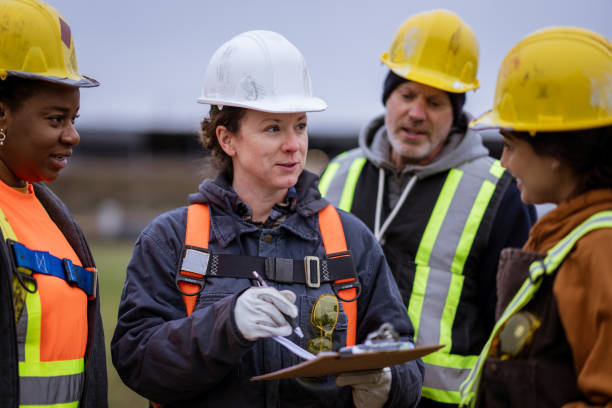
Engineering roles at construction and technology firms are opening doors for engineers who are willing to move for work. Companies are looking for people who can handle projects that range from building structures to designing smart systems, and they are ready to help with the paperwork to bring skilled workers from other countries. This means engineers can focus on their work without worrying too much about immigration hurdles.
These jobs often place engineers right in the middle of exciting projects. In construction, engineers might see plans come alive as buildings rise or bridges take shape. In technology firms, engineers could be part of teams that develop new tools, improve systems, or solve problems that affect how products and services are built and delivered. Every day can bring a different challenge and a chance to learn while contributing to something tangible.
For engineers willing to take the step, this type of job also offers exposure to diverse teams and work cultures. Working alongside people from different backgrounds can spark new ideas and approaches that might not appear in a single-country setting. Being involved in projects with real-world impact helps build skills and experience that stand out in any career path.
The mix of practical work, international exposure, and support from employers makes these engineering roles attractive for engineers ready to explore opportunities beyond their home country.
Why Engineering Professionals Seek Jobs with Visa Sponsorship
Many engineers look for jobs with visa sponsorship because it removes the stress of handling immigration alone. Moving to another country for work can be confusing and expensive, and companies that provide sponsorship help cover paperwork, legal requirements, and sometimes relocation costs. This support allows engineers to focus on their work and adjust to a new environment without worrying about legal issues. It also opens doors to countries with better job opportunities, higher pay, or access to cutting-edge projects that might not be available in their home country.
Difference Between Companies That Offer Sponsorship and Those That Don’t
Companies that offer visa sponsorship often invest in skilled employees from abroad to fill gaps in their workforce. They handle permits, legal processes, and sometimes even temporary housing or travel arrangements. These companies tend to have structured programs for international hires and may provide training or support for adapting to the local work culture.
Companies that don’t offer sponsorship usually hire locally or expect candidates to have the legal right to work in that country. These employers may not have experience or resources to guide foreign employees through immigration procedures, which can make the hiring process slower or more challenging for engineers from other countries.
Industries with High Demand for Engineers
Some industries have a higher need for engineers, creating more opportunities for visa sponsorship.
-
Construction and Civil Engineering: Projects like bridges, highways, and urban development constantly need engineers who can design, supervise, and maintain structures.
-
Technology and Software: Tech firms are always looking for engineers who can develop software, manage systems, or work on hardware projects. Innovations in AI, robotics, and cloud computing increase demand.
-
Energy and Manufacturing: Power plants, oil and gas, and manufacturing facilities hire engineers to improve efficiency, safety, and production processes.
Other sectors like transportation, aerospace, and automotive also regularly seek skilled engineers. These industries often face shortages locally and rely on international talent to meet project demands.
Which Engineering Fields Are in High Demand?
Engineering jobs are growing in different areas, and certain fields see more openings because of the projects and technologies driving industries today.
Civil and Structural Engineering
Civil and structural engineers are needed for construction projects like bridges, roads, high-rise buildings, and urban development. These engineers work on designing, planning, and supervising construction to make sure structures are safe and long-lasting. Cities expanding rapidly and governments investing in infrastructure create steady demand for engineers who can handle these projects.
Mechanical and Electrical Engineering
Mechanical engineers focus on designing and maintaining machines, engines, and mechanical systems. They can work in factories, automotive companies, or manufacturing plants. Electrical engineers, on the other hand, deal with power systems, electronics, and electrical equipment. Industries like energy, transportation, and manufacturing often need both mechanical and electrical engineers to keep systems running efficiently.
Software and Tech Engineering
Tech and software engineers are in high demand because businesses rely heavily on digital tools and platforms. Software engineers write programs, build apps, and maintain systems that companies use every day. Tech engineers also work on hardware, networks, and data systems. The rise of online services, cloud computing, and mobile applications keeps this field constantly growing.
Specialized Fields
Some engineering fields focus on emerging technologies or specific industries:
-
Robotics: Engineers in robotics design machines that can perform tasks automatically. Industries like manufacturing, healthcare, and logistics hire robotics engineers to improve efficiency.
-
Artificial Intelligence (AI): AI engineers develop systems that learn and make decisions, which can be used in software, robotics, and business automation.
-
Renewable Energy: Engineers in solar, wind, and other renewable sources design systems to generate cleaner energy. As countries invest in green energy, demand grows for engineers who can build and maintain these systems.
-
Infrastructure: Engineers who specialize in infrastructure focus on public systems like transportation networks, water supply, and utilities. Large-scale government and private projects often need these experts.
These fields often offer opportunities for engineers to work internationally, especially when companies provide visa sponsorship. Engineers with skills in any of these areas are sought after because they can contribute to projects that have real impact and long-term benefits.
How Visa Sponsorship Works for Engineers
Working in another country often requires a work visa, and engineers looking to move for jobs can get support through visa sponsorship. This process allows an employer to assist with legal and administrative steps so the engineer can legally live and work in that country.
Different countries have specific types of work visas for skilled professionals:
-
H-1B Visa (USA): This visa allows companies in the United States to hire foreign workers for specialized positions, including engineers. The employer applies for the visa on behalf of the employee and submits documentation proving the candidate meets the job requirements.
-
Skilled Worker Visa (UK): In the UK, the Skilled Worker visa lets foreign professionals work for a licensed employer. Engineers can apply if they meet experience and salary thresholds set by the government.
-
Country-Specific Permits: Other countries have similar permits for skilled workers. For example, Canada has work permits for engineers under specific programs, Germany issues EU Blue Cards, and Australia offers Temporary Skill Shortage visas. Each type of visa has its own requirements, application process, and validity period.
Role of the Employer in Sponsorship
Employers handle most of the paperwork for visa sponsorship. They submit applications, provide evidence that the engineer is qualified, and sometimes assist with travel or relocation. Companies also ensure compliance with local immigration laws so the employee can start working without legal issues. In many cases, employers cover application fees or connect the employee with legal advisors who specialize in immigration.
Duration and Renewal Possibilities
Work visas usually have a set period, often ranging from one to three years, depending on the country and type of visa. Engineers can often renew or extend their visa if they continue working for the same employer and meet the requirements. Some visas also provide a path to permanent residency, allowing engineers to live and work long-term in the host country.
Visa sponsorship gives engineers a structured way to move abroad for work without handling all the legal complexities alone. With support from an employer, engineers can focus on gaining experience, contributing to projects, and settling into a new work and living environment.
Top Construction Companies Offering Visa Sponsorship
For engineers looking to work abroad, large construction companies often provide visa sponsorship to attract skilled professionals. These companies handle immigration paperwork, making it easier for international engineers to join their teams and contribute to major projects.
Large Multinational Construction Firms
Some of the world’s biggest construction companies frequently hire engineers from other countries. Companies like Bechtel, Vinci, Skanska, and Fluor Corporation operate on global projects and often have programs to bring in foreign talent. These firms handle permits, legal documents, and sometimes relocation assistance for engineers who meet their requirements.
Types of Projects
These companies work on a wide range of projects:
-
Infrastructure: Engineers are needed for highways, bridges, railways, airports, and tunnels. Large-scale infrastructure projects require careful planning, design, and supervision to ensure safety and efficiency.
-
Real Estate: Commercial and residential developments also create opportunities. Engineers might oversee construction of office buildings, apartment complexes, or mixed-use developments.
-
Energy: Power plants, renewable energy sites, and oil or gas facilities require mechanical, civil, and electrical engineers to design and maintain systems that generate and distribute energy safely.
Skills and Qualifications
Construction companies usually look for engineers with practical experience and technical knowledge. Civil and structural engineers need expertise in construction design, project management, and safety standards. Mechanical and electrical engineers should be familiar with equipment, machinery, or power systems used in construction projects.
Other sought-after skills include the ability to read and interpret plans, communicate effectively with teams, and handle problem-solving on site. Certifications or degrees recognized internationally can improve chances of being hired, especially when applying for a sponsored visa.
Experience with software tools like AutoCAD, Revit, or project management applications is often a bonus, as it helps engineers contribute efficiently from day one. Engineers who can adapt to new environments and work with colleagues from different backgrounds also fit well with multinational teams.
Top Technology Companies Offering Visa Sponsorship
Technology companies are among the most active in hiring engineers from other countries and often provide visa sponsorship. These companies handle legal and administrative processes so international engineers can focus on work and learning within the company.
Major Tech Firms Hiring Engineers
Large tech firms like Google, Microsoft, Apple, Amazon, and IBM frequently hire engineers across multiple areas. They offer opportunities in software development, hardware design, artificial intelligence, and data management. These companies operate globally, and sponsorship programs help them bring in skilled engineers who can contribute to projects that reach millions of users worldwide.
Entry-Level vs. Experienced Engineer Opportunities
Visa sponsorship isn’t limited to experienced engineers. Many firms also hire entry-level engineers, especially graduates with strong technical skills. Entry-level positions usually involve learning under supervision, working on small projects, and gradually taking on bigger responsibilities. Experienced engineers are often hired to lead teams, manage larger projects, or bring expertise in specific technologies.
Skills in Demand
Tech companies look for engineers with practical skills that can be applied immediately to projects. Some of the most sought-after skills include:
-
Programming: Proficiency in languages like Python, Java, C++, or JavaScript is often required.
-
Cloud Computing: Engineers who can work with cloud platforms like AWS, Google Cloud, or Azure are highly valued.
-
Cybersecurity: Protecting systems, networks, and data is a major concern, making cybersecurity skills in demand.
-
Automation: Knowledge of AI tools, machine learning, and robotics for automating processes is increasingly sought after.
Other abilities like problem-solving, collaboration, and adapting to new technologies are also considered when hiring engineers for sponsored positions.
Tech firms with visa sponsorship programs usually assist with visa paperwork, sometimes cover relocation costs, and provide guidance to help international engineers settle into a new country. This makes it easier for engineers to join teams in fast-moving projects without worrying about legal or immigration issues.
Qualifications and Skills Needed
Engineers seeking jobs with visa sponsorship need a mix of formal education, technical knowledge, and soft skills. These qualifications help them contribute effectively to projects and adapt to work in international settings.
Educational Requirements
Most companies expect engineers to have at least a Bachelor’s degree in their field, such as civil, mechanical, electrical, or software engineering. A Master’s degree can increase chances for specialized positions or faster career growth, especially in technology, robotics, or renewable energy sectors.
Certifications can also strengthen a candidate’s profile. For example, Project Management Professional (PMP), Certified Engineer (CEng), or software-specific certificates like AWS Certified Solutions Architect or Cisco certifications demonstrate technical knowledge and commitment to the profession.
Technical Skills
Technical skills are essential for engineers to perform tasks efficiently. Some common requirements include:
-
Software and CAD Tools: Engineers often need experience with design and modeling tools like AutoCAD, Revit, SolidWorks, or MATLAB. These help in creating plans, simulations, and detailed drawings.
-
Project Management Tools: Familiarity with software like MS Project, Primavera, or Jira is useful for tracking progress, scheduling tasks, and coordinating teams.
-
Programming and Tech Skills: For technology engineers, skills in programming languages like Python, Java, or C++, and experience with cloud platforms, AI tools, or data analytics platforms are highly valued.
Soft Skills
Soft skills help engineers work well in teams and adapt to new environments.
-
Communication: Being able to explain ideas clearly, write reports, and share updates with colleagues and clients is essential.
-
Teamwork: Engineers often work in groups on large projects, making collaboration and coordination necessary.
-
Problem-Solving: Projects rarely go exactly as planned, so engineers need to think creatively and find solutions quickly.
-
Adaptability: Working in a new country or on unfamiliar projects requires flexibility and the ability to adjust to different processes and cultures.
Having a combination of these qualifications and skills makes engineers attractive to companies offering visa sponsorship. It shows that they can handle technical tasks, communicate effectively, and contribute to projects in a productive way while adjusting to a new work environment.
How to Find Engineering Jobs with Visa Sponsorship
Finding engineering jobs that offer visa sponsorship can take time, but there are clear ways to identify opportunities and connect with companies that support international hires.
Job Boards That List Sponsorship Opportunities
Several online job boards specialize in positions that provide visa support. Websites like Indeed, Glassdoor, and LinkedIn often allow users to filter for jobs that mention visa sponsorship in the description. Other platforms focus entirely on international opportunities, such as MyVisaJobs, H1BGrader, and GoinGlobal. Using these boards helps engineers identify positions where companies are already familiar with hiring from abroad.
Company Websites and Career Portals
Many large construction and technology companies post job openings directly on their websites. Career portals often provide detailed information about visa sponsorship programs and the types of positions available for international engineers. Checking company pages regularly can give candidates early access to openings before they appear on general job boards. In addition, some companies offer dedicated sections for internships, graduate programs, or entry-level positions with sponsorship, which can be helpful for engineers at different stages of their career.
Networking and Professional Organizations
Networking remains one of the most effective ways to discover sponsored engineering jobs. Connecting with current or former employees through LinkedIn, professional forums, or alumni networks can provide insider tips about which companies hire internationally.
Professional organizations, such as the American Society of Civil Engineers (ASCE), Institute of Electrical and Electronics Engineers (IEEE), and other country-specific engineering bodies, often share job listings, host events, and offer mentorship programs. These platforms give engineers opportunities to meet recruiters, attend workshops, and gain referrals that can increase the chances of being hired with visa sponsorship.
Attending conferences, seminars, or online webinars related to engineering fields can also lead to job leads. Employers participating in these events may directly connect with international candidates and provide guidance about available sponsorship programs.
By combining online job boards, company websites, and active networking through professional organizations, engineers can improve their chances of finding jobs that offer visa sponsorship. This approach also allows candidates to learn more about company culture, requirements, and projects, giving them a clearer idea of where they can contribute effectively.
Creating an Effective Job Application
Applying for engineering jobs abroad requires presenting your experience and skills clearly so employers understand why you’re a good fit for the position. A well-prepared application increases the chance of getting an interview and, if offered, visa sponsorship.
Writing a CV for International Jobs
A CV for international applications should be clear, organized, and easy to read. List your education, work experience, and technical skills first. Include details such as degrees, certifications, and software you are familiar with, like AutoCAD, SolidWorks, or programming languages.
Use bullet points to describe your work experience, focusing on what you accomplished rather than just your responsibilities. For example, mention projects you helped complete, improvements you made, or systems you built. Keep the format simple and professional, avoiding overly long paragraphs or fancy graphics that may not be readable by automated systems used by many companies.
Writing a Cover Letter
The cover letter should explain why you are interested in the job and how your skills match the company’s needs. Mention your experience in construction, technology, or other relevant engineering areas. Clearly state your willingness to relocate and work internationally, and explain briefly how you can contribute to the company’s projects.
Keep it concise—usually one page—and avoid repeating every detail from your CV. The goal is to give employers a sense of your personality, work style, and motivation while showing that you understand the job requirements.
Highlighting Projects and Achievements
Projects and accomplishments give employers a concrete idea of what you can do. Include examples from construction projects, software development, or specialized areas like robotics or renewable energy. Mention measurable results when possible, such as completing a project ahead of schedule, improving system efficiency, or reducing costs.
Even small projects can be included if they show technical ability, problem-solving, or teamwork. Emphasize your contribution and the outcomes of your work to give employers confidence that you can handle responsibilities in a new country.
Creating a clear CV, thoughtful cover letter, and project-focused summary of achievements helps engineers stand out in international job applications. It makes it easier for companies to see your potential and your readiness to work abroad with visa sponsorship.
Advantages of Engineering Jobs with Visa Sponsorship
Working in another country as an engineer becomes much smoother when a company provides visa sponsorship. It offers benefits that make life and work abroad more manageable and rewarding.
Legal Work Status and Career Stability
Visa sponsorship ensures that engineers have the legal right to work in the host country. Employers handle the necessary paperwork, reducing the risk of legal issues or interruptions in employment. This support allows engineers to focus on their work and grow professionally without worrying about immigration problems. Having legal status also makes it easier to access services like banking, housing, and healthcare in a new country.
Opportunities to Gain International Experience
Jobs with visa sponsorship often involve working on projects with global reach or collaborating with teams from different countries. Engineers can gain hands-on experience in construction, software, energy, or technology projects that may not be available in their home country. This exposure helps improve technical skills, understanding of international standards, and familiarity with advanced tools and methods. Working abroad also teaches adaptability and problem-solving in new environments, which can make engineers more attractive for future employers.
Pathways to Long-Term Employment or Permanent Residency
Many work visas offer options to extend your stay or transition to permanent residency over time. Engineers who perform well and stay with the same employer may qualify for visa renewal or long-term work permits. Some countries also provide programs that lead to permanent residency, allowing engineers to settle, continue their career, and even bring family members. This creates a sense of security and allows long-term planning for both personal and professional life.
Additional Benefits
Beyond work and legal security, engineers with visa sponsorship often receive support for relocation costs, temporary housing, or orientation programs in the new country. This makes the transition smoother and allows engineers to focus on learning and contributing rather than managing logistical challenges.
Overall, working with visa sponsorship provides engineers with stability, international experience, and a chance to build a career abroad while enjoying support from employers in handling immigration requirements. It opens doors to opportunities that would be difficult to access without professional guidance and sponsorship.